

The United Nations and humanitarian agencies warn that food security in Sri Lanka is deteriorating sharply following Cyclone Ditwah, with more than 1.5 million people now living in districts classified as moderate to high food-insecurity risk.
According to the UN-supported Joint Rapid Needs Assessment released on Tuesday, the cyclone has destroyed crops, flooded farmland, damaged fishing and livestock sectors, and severely disrupted market access, raising concerns about worsening shortages and rising prices across the island.
The report says major food supply chains have been hit hard, with around 200 roads and 10 bridges damaged, reducing the flow of vegetables, grains and essential items into markets. Fifteen major economic centres have suffered structural damage, while supermarkets in high-impact districts are operating at limited capacity.
Vegetable prices have surged between 30 percent and 200 percent due to severe crop losses and transport disruptions. Prices of rice and dhal have also risen slightly, and other field crops such as potatoes and onions show moderate increases.
The UN-backed assessment warns that the Maha cultivation season has suffered heavy damage, with nearly 564,000 hectares of paddy at critical growth stages inundated. Another 95,799 hectares of other field crops and 13,463 hectares of vegetables have also been damaged or destroyed.
Livestock and fisheries, key sources of protein for many rural families, have been severely affected. Floods damaged poultry sheds, swept away fish cages, destroyed shrimp farms, and left small fishing boats unusable.
The report warns that the combined shocks have reduced food availability, lowered household incomes, and increased dependence on humanitarian assistance, particularly among low-income families, children, pregnant and lactating women, older persons, and people with disabilities.
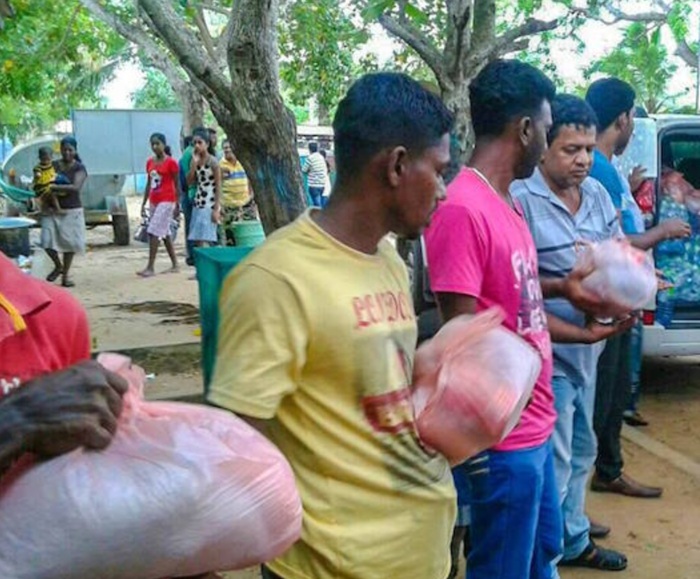
The UN and its partners are calling for urgent support, including ready-to-eat rations, dry food packs, fortified staples, nutrition supplements, and cash assistance in areas where markets are still functioning. The assessment also highlights the need to restore agricultural inputs, rehabilitate supply routes, and support farmers and fishers to resume production to prevent further deterioration in the coming weeks. (Newswire)