

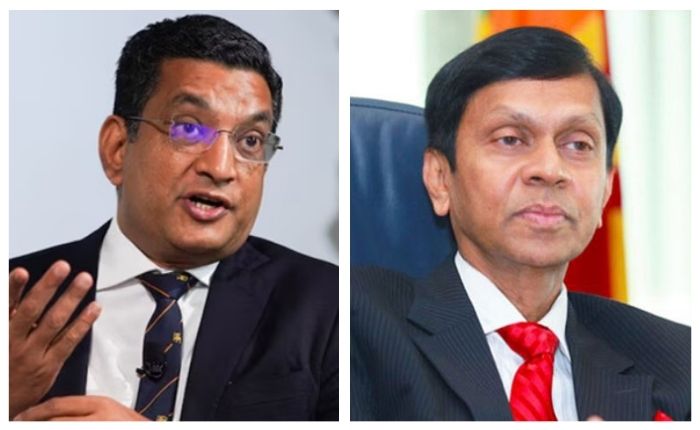
Section 67 of Sri Lanka’s Anti-Corruption Act represents a significant evolution in the country’s legal response to corruption, introducing a conditional and structured framework for withdrawing indictments before judgment, according to former Minister of Justice Ali Sabry.
His remarks come after the Colombo High Court allowed the conditional withdrawal of a bribery case against former Central Bank Governor Ajith Nivard Cabraal, on the basis of a Rs. 1.84 billion compensation payment to the State.
Cabraal was charged over the Central Bank’s controversial investment in Greek sovereign bonds in 2011. The Colombo High Court permitted the withdrawal following a request by Cabraal, the first accused in the case, under Section 67(1) of the Bribery Act, the Bribery Commission said.
In a detailed social media statement, Sabry said the provision—part of the Anti-Corruption Act, No. 9 of 2023—is not a sign of leniency but a modern legal tool designed to balance restitution, public accountability, and proportional justice. He noted that withdrawals under Section 67 require the sanction of the Bribery Commission and the approval of the High Court, ensuring due process is followed.
Under this section, an indictment may be withdrawn on the basis of specific conditions, such as financial restitution to the State, a public apology, and even lifetime disqualification from holding public office.
“This is a mature justice system evolving—firm yet fair, strong yet reasoned,” Sabry said, arguing that justice must remain free from political influence and public pressure.
He also cautioned against the misuse of corruption allegations, pointing out that in Sri Lanka and other countries, such accusations are sometimes used as political tools to damage reputations rather than deliver justice.
“Public outrage can push systems toward punitive extremes, with punishment overshadowing key principles such as mens rea, proportionality, and fair assessment of intent,” he said.
Sabry added that excessive sanctions and criminalisation of administrative errors have, in the past, led to unnecessary imprisonment and system strain, including overcrowded prisons.
“In such a landscape, Section 67 is a welcome departure. It creates room to recover public funds, recognise remorse, and avoid needless punishment in marginal or complex cases,” he said.
Sabry said that the recent invocation of this provision marks more than a legal process—it reflects a broader shift in how Sri Lanka can uphold accountability while maintaining fairness and proportionality. (Newswire)
Section 67 of the Anti-Corruption Act, No. 9 of 2023 marks a thoughtful evolution in Sri Lanka’s legal response to corruption.
It permits the withdrawal of indictments before judgment, not as leniency, but as a structured and conditional mechanism subject to restitution, public…— M U M Ali Sabry (@alisabrypc) December 10, 2025