
The Sri Lanka Society of Logistics and Transport (SLSTL) has renewed its call for the government to prioritize a modern, disaster-resilient rail corridor to Kandy, urging that feasibility studies begin in 2026.
The proposal, first developed with the Institution of Engineers Sri Lanka (IESL) in 2017, identified two viable alternatives that build on the proposed electrified double‑track up to Rambukkana: the Galagedera Trace, linking Rambukkana to Katugastota and Kandy via the Galagedera Pass, and the Pattiagedera Trace, connecting Rambukkana to Kandy through the Yattewera Oya valley.
Both routes promise faster travel times of under 90 minutes to Kandy, safer alignments with reduced landslide risk, electrification extensions from Polgahawela, and expanded access to the hill country to support tourism.
They also allow double‑track capability for up to 50 trains daily, compared to the current 20, while avoiding the environmentally unsound and costly option of double‑tracking the existing line.
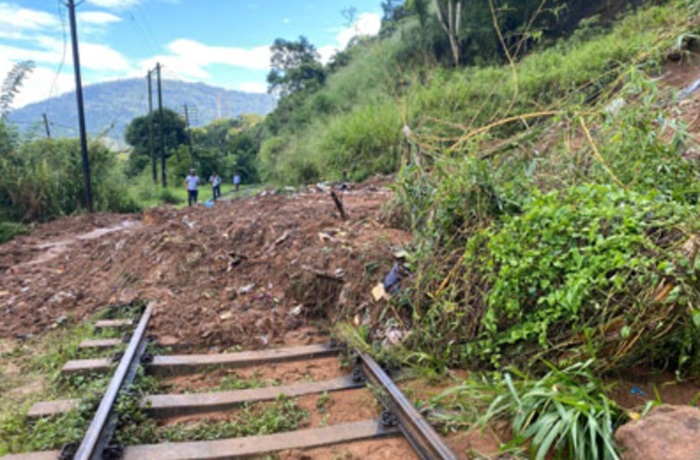
SLSTL stresses that Cyclone Ditwah’s devastation, which left key sections of the Main Line impassable and raised doubts over the Peradeniya bridge’s integrity, underscores the urgent need to rethink Sri Lanka’s 150‑year‑old railway system.
With global cities already linked by high‑speed intercity services, SLSTL insists Sri Lanka must shift policy toward rail‑first mobility, building smarter and more sustainable infrastructure rather than simply repairing what was lost.
Full statement: