

Sri Lanka has formally banned the import of goods produced using forced labour, effective July 10, 2026, in a move aimed at safeguarding exports from looming U.S. trade penalties.
The order was issued by President Anura Kumara Dissanayake, in his capacity as Minister of Finance, Procurement, and Economic Development.
Under the new regulation, importers must submit documentation to the Director General of Customs certifying that their goods are produced free of forced labour.
This step comes against the backdrop of warnings from the Office of the United States Trade Representative (USTR), which recently identified Sri Lanka among 60 economies failing to impose or enforce prohibitions on forced‑labour imports.
The USTR had proposed an additional 12.5% tariff on Sri Lankan exports to the U.S., a higher rate than competitors such as Bangladesh and Pakistan, which fall under a 10% duty.
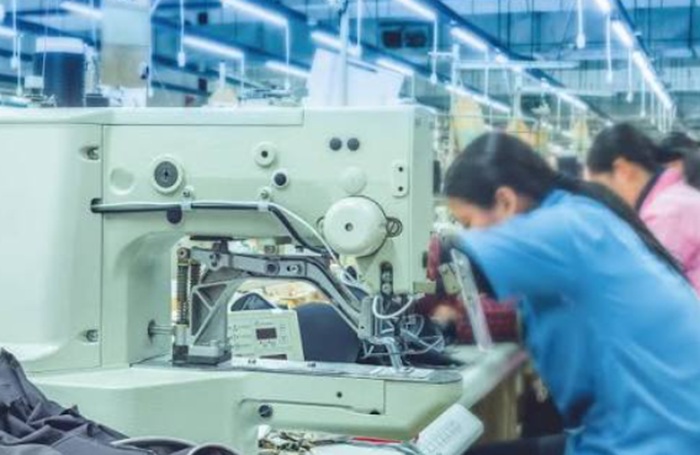
The U.S. is Sri Lanka’s largest export market, accounting for about $3 billion in mostly apparel shipments. The apparel industry employs around 300,000 workers and reported $5 billion in exports last year, though shipments dipped 7.4% to $1.53 billion in the first four months of this year.
In response to the trade penalties, Deputy Finance Minister Anil Jayantha Fernando said Sri Lanka already maintains strong labour practices and a legal framework, but will tighten customs screening and adopt international standards to eliminate concerns over child and forced labour.
The country ratified the International Labour Organisation’s C190 convention in April, recognizing the universal right to work free from violence and harassment.
By banning forced‑labour imports, officials say Sri Lanka can avoid the additional U.S. tariffs and reinforce its commitment to ethical trade practices. (Newswire)