

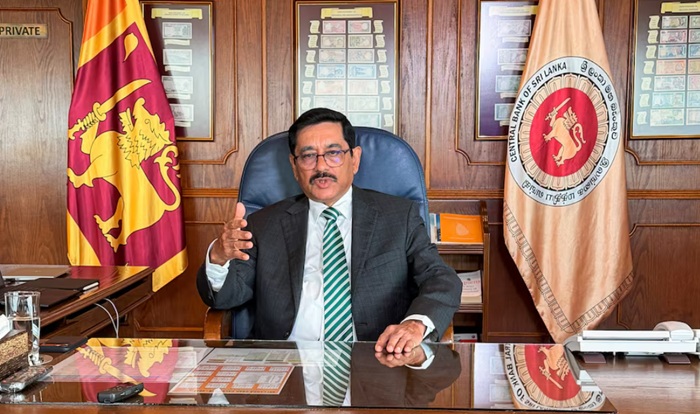
Sri Lanka’s central bank does not anticipate further interest rate increases this year following its surprise 100 basis‑point hike in May, Governor Nandalal Weerasinghe told Reuters on Tuesday.
He said inflation is expected to peak around current levels before easing back towards the 5% target in 2027.
According to the Reuters report, the May hike, the first in more than three years, was a proactive move to contain inflation pressures fueled by the ongoing war in Iran. “We need to monitor whether there will be any deviation from what we thought,” Weerasinghe said, adding that so far inflation trends remain broadly in line with expectations.
Sri Lanka’s key inflation index climbed to 7.3% in July, the sharpest increase in three years, driven by rising energy costs. Some analysts forecast inflation could reach 8% by November. Weerasinghe noted the full impact of the May rate increase would take 12 to 18 months to filter through the economy, with inflation likely to return to the 5% target in the first half of next year.
The governor’s comments suggest monetary policy will remain steady at 8.75% for the rest of 2026, with the next rate announcement scheduled for September 30. He emphasized that “low inflation is a necessary condition for future growth,” projecting economic expansion in the 4%–5% range despite global headwinds.
Sri Lanka’s economy grew by 5% in 2024 and 2025, rebounding from a 7.3% contraction in 2022. While similar growth was expected this year, analysts caution that measures to defend against external shocks could weigh on momentum. The International Monetary Fund, which backed the May hike, released $695 million under its $2.9 billion program and forecast 3% growth for 2026.
Like other energy‑importing nations, Sri Lanka has been hit hard by surging crude prices following the U.S.‑Israeli war on Iran that began in February, disrupting key oil and LNG supply routes. The government has raised fuel prices by more than 35%, introduced rationing, and declared Wednesdays a public holiday to ease fiscal strain.
Weerasinghe also underscored the importance of strengthening external buffers, aiming to boost gross foreign exchange reserves to about $8 billion by year‑end from $6.6 billion currently. Maintaining a steady build‑up in reserves remains a priority as rising fuel import costs continue to pressure Sri Lanka’s external accounts. (Newswire)