

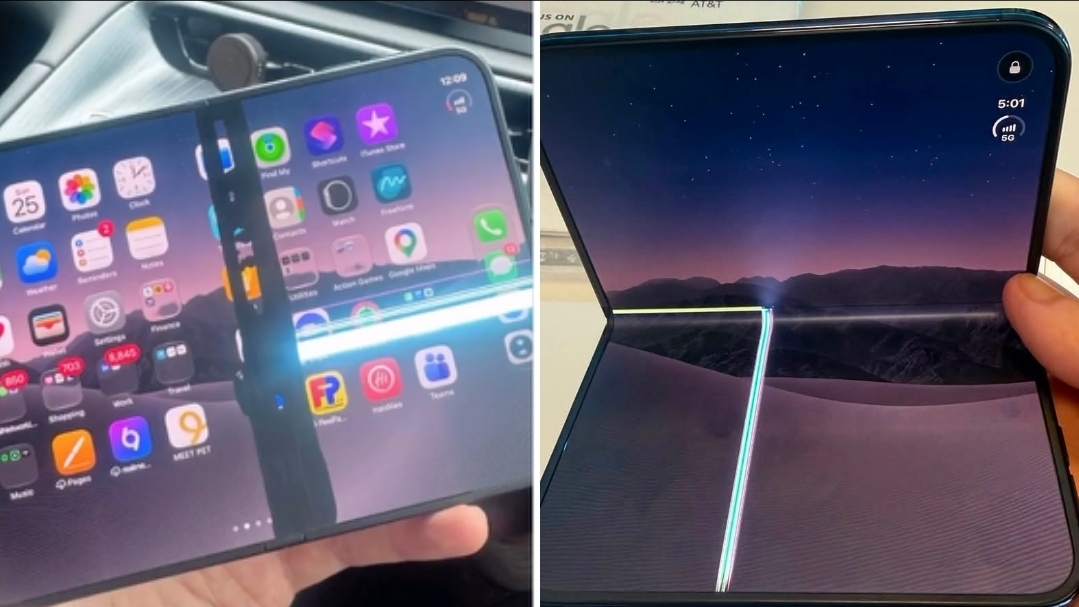
Apple has acknowledged display problems affecting a small number of its newly launched iPhone Duo foldable smartphones and announced that affected devices will be replaced.
According to Reuters, the issue emerged just days after Apple’s first foldable iPhone began reaching customers, with several users reporting cracks and lines appearing on the inner display near the central folding hinge.
The iPhone Duo, which opens like a passport booklet, began shipping last week following strong demand that saw initial online orders sell out within minutes.
In a statement issued on Monday, Apple confirmed that a limited number of devices were experiencing display problems.
“We are aware of an issue impacting the inner display on a small number of iPhone Duo units,” Apple said.
The company advised customers experiencing display problems to contact AppleCare for a replacement.
Apple has not disclosed the cause of the issue or the total number of devices affected.
Meanwhile, repair specialist iFixit said its preliminary analysis suggested that a component within the phone’s folding mechanism could be creating pressure on the inner display.
The company used teardown footage, patents and CT scans to develop a three-dimensional simulation of the hinge mechanism.
Its findings suggested that a central support bar might not be moving sufficiently out of the screen’s way when the device is folded, potentially creating a stress point near the reported damage.
However, Apple has not confirmed this explanation.
Despite the reported problems, iFixit described the iPhone Duo as the most repairable foldable smartphone it has tested.
Technology analysts say Apple’s decision to offer replacements is an important early response to concerns surrounding its first foldable smartphone.
The development comes as Apple enters the foldable smartphone market, where competitors including Samsung have already introduced several generations of devices. (Newswire)