

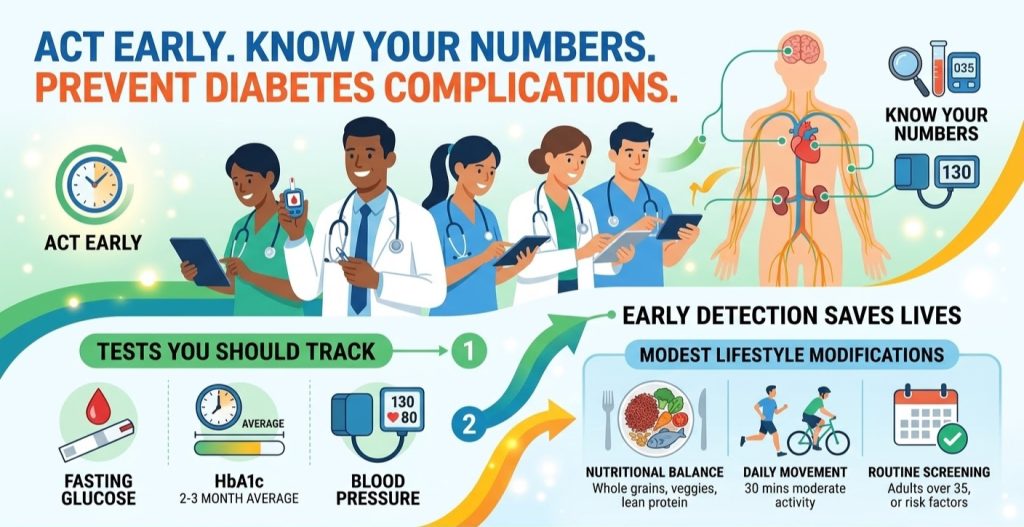
Diabetes often develops in silence. Millions of people live with elevated blood sugar for years without experiencing noticeable symptoms, allowing damage to quietly accumulate in the heart, kidneys, eyes, and nerves. By the time clear signs emerge such as blurred vision, persistent fatigue, or slow healing wounds, complications are often already underway.
Ahead of World Diabetes Day on November 14, health experts across Sri Lanka are urging the public to embrace a critical message, Act Early. Know Your Numbers.
The Unseen Burden of Undiagnosed Diabetes
Global and regional health data reveal that nearly half of all adults living with diabetes remain undiagnosed. In many cases, individuals only discover they have the condition during routine check-ups for unrelated issues or after presenting with secondary complications.
Type 2 diabetes, which accounts for the vast majority of cases, progresses gradually. Risk factors such as family history, age, dietary habits, and physical inactivity increase susceptibility. However, prediabetes, a stage where blood sugar levels are higher than normal but not yet high enough for a diabetes diagnosis, offers a crucial window of opportunity. Without early detection, prediabetes frequently transitions into full blown Type 2 diabetes within a few years.
Three Numbers Every Adult Should Track
Taking early action begins with understanding basic diagnostic indicators:
- Fasting Blood Glucose (FBG): Measures blood sugar levels after an overnight fast. It provides an immediate snapshot of glucose regulation.
- HbA1c (Glycated Hemoglobin): Reflected as a percentage, this test provides a 2- to 3-month average of blood sugar levels. An HbA1c between 5.7% and 6.4% indicates prediabetes, while 6.5% or higher signals diabetes.
- Blood Pressure: High blood pressure often accompanies diabetes, doubling the risk of cardiovascular complications. Maintaining a target below 130/80 mmHg is key for organ protection.
Small Adjustments, Long-Term Protection
Early detection is valuable because Type 2 diabetes is largely preventable or manageable when caught in time. Studies demonstrate that modest lifestyle modifications can reduce the risk of developing Type 2 diabetes by up to 58%.
- Nutritional Balance: Shifting toward whole grains (such as red rice and kurakkan), incorporating fresh vegetables into at least half of daily meals, and reducing processed sugars and refined flours.
- Daily Movement: Engaging in 30 minutes of moderate activity such as brisk walking, swimming, or cycling five days a week improves insulin sensitivity.
- Routine Screening: Adults over 35, or those of any age with risk factors such as a family history of diabetes or elevated BMI, should schedule annual blood glucose tests.
A Call to Action for Every Household
“Knowing your risk is a reason to take action, not a diagnosis to fear,” note leading endocrinologists. Early action empowers individuals to take control of their health trajectory before complications arise.
This November, prioritize preventative health. Visit a doctor or local clinic, get screened, and encourage family members to know their numbers. Early detection today protects your quality of life tomorrow. (Newswire)