

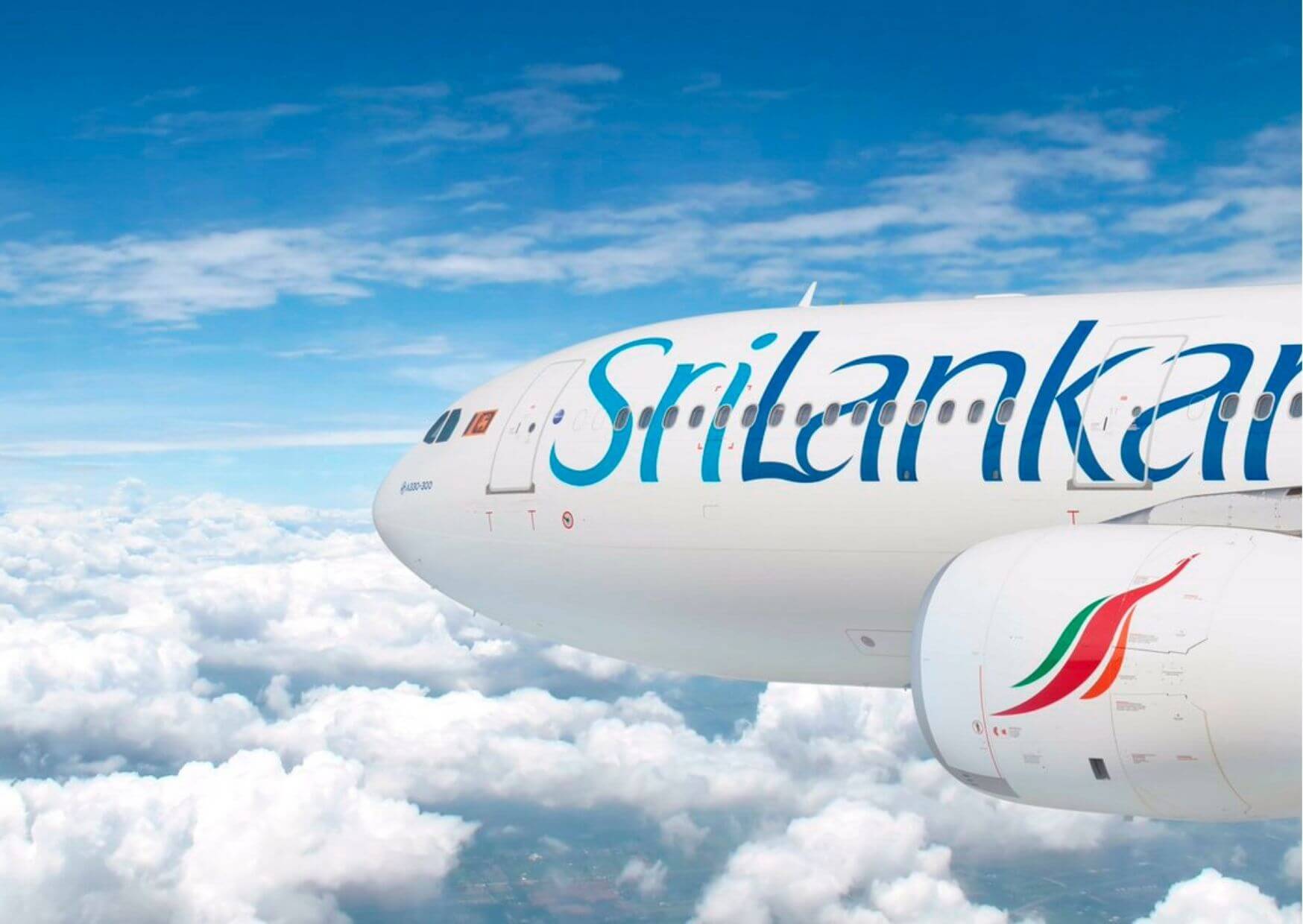
SriLankan Airlines is continuing to operate without permanent leadership in its top two positions, raising concerns over governance and strategic direction at a time of heightened global uncertainty driven by the Middle East crisis.
The state-owned carrier has been without a confirmed full-time Chairman and Chief Executive Officer, with interim arrangements in place instead of long-term appointments.
The Government has yet to take a decision on the Chairman position following the resignation of Sarath Ganegoda in March, while the key position of Chief Executive Officer — the most critical role responsible for the day-to-day running of the organisation — has remained unfilled on a permanent basis for more than a year, raising serious concerns.
According to the airline’s own public information pages, Dimal Arandara is listed as the current Acting Chairman, while Yasantha Dissanayake is serving as Acting Chief Executive Officer.
The CEO role has effectively been in acting capacity since March 2025, while the Chairman position has been held on an acting basis since 31 March 2026.
The leadership vacuum comes as the airline navigates complex operational and financial challenges, including volatile fuel prices, route adjustments, and shifting passenger demand linked to geopolitical tensions in the Middle East.
Industry analysts note that the absence of permanent leadership at both board and executive levels can affect long-term planning, investor confidence, and critical decision-making, particularly during periods of global instability.
Airlines worldwide are currently facing pressure from rising costs, airspace disruptions, and risk assessments tied to ongoing conflicts in the Middle East, which have already forced several carriers to reroute flights and review schedules.
SriLankan Airlines reported a Group loss of LKR 2,735 million for the 2024/25 financial year.
By August 2025, the airline’s accumulated losses had reached more than Rs. 632 billion, leaving it technically insolvent and placing a significant burden on taxpayers.
Observers have also raised concerns over governance, noting that prolonged uncertainty in leadership has contributed to a lack of clear strategic direction. (Newswire)