

By 𝑅𝑜𝑠ℎ𝑒𝑛 𝐹𝑒𝑟𝑛𝑎𝑛𝑑𝑜, 𝐴sian Development Bank 𝐸𝑐𝑜𝑛𝑜𝑚𝑖𝑠𝑡.
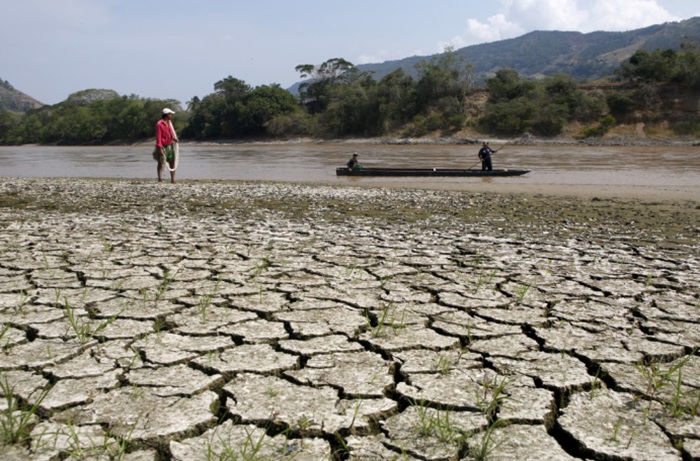
El Niño is already at record strength for this time of year and still building. It is expected to peak around November, with a high chance of becoming the strongest on record. Most attention will focus on the coming months: failed rains, heatwaves, and rising rice and cooking oil prices. But the bigger economic story comes later.
El Niño hits hardest in the year after it forms, putting 2027 in the firing line. The usual view is that it delivers a sharp but brief blow to growth, after which economies bounce back.
Recent research suggests otherwise: in hot, dry economies, El Niño can slow productivity growth persistently. The 1997–98 event alone is estimated to have cost the world economy $5.7 trillion in lost output.
𝐖𝐡𝐲 𝐭𝐡𝐞 𝐝𝐚𝐦𝐚𝐠𝐞 𝐦𝐚𝐲 𝐥𝐚𝐬𝐭
Asia and the Pacific are especially vulnerable. Longer-lasting damage is concentrated in tropical economies that are already dry, including many developing economies in the region. In most Southeast Asian economies, farming accounts for 13%–30% of output and 40%–68% of jobs. When harvests fail, poor rural households and women are hit hardest and take the longest to recover. A typical El Niño adds as much as one percentage point to inflation, and more where food makes up a third to almost half of the prices tracked to measure inflation.
A family that sells its livestock, eats its own rice stocks, or takes children out of school to survive a bad year starts the next one poorer and less productive.
Recovery will be harder this time. Many governments carry heavy debt after the pandemic, and countries vulnerable to natural hazards and changing weather patterns already pay more to borrow. Meanwhile, the Middle East conflict, the war in Ukraine, and Red Sea shipping disruptions are straining the food, energy, and freight markets that El Niño will hit.
This shock gives months of warning, unlike most disasters. Governments have time to act. But what would make the biggest difference?
𝐅𝐢𝐯𝐞 𝐰𝐚𝐲𝐬 𝐭𝐨 𝐥𝐢𝐦𝐢𝐭 𝐭𝐡𝐞 𝐡𝐚𝐫𝐦
Line up the money before the shock. Governments can arrange contingent credit lines, catastrophe insurance, and membership in regional risk pools, so money flows quickly once agreed thresholds are crossed. Forecast-based financing releases funds when seasonal forecasts hit pre-set triggers, before the damage arrives. But these tools are often small, cover floods and storms better than drought, and sit outside national budgets. Expanding drought cover and building forecast triggers into government spending would help them work at scale.
Protect the ability to produce, not just consumption. Cash that arrives before harvests fail can reduce the pressure to sell animals, tools, or land, or take children out of school. Food aid keeps families fed. Practical support can keep productive assets working: water and shade for livestock, veterinary checks, drought-tolerant seeds, and planting advice timed to the forecast, and help for fish farmers to change to hardier species.
Switch on social protection early. Adding forecast triggers to existing cash-transfer programs could reach vulnerable groups ahead of the peak, including rural families, women, and informal workers. Release food reserves as prices start climbing, not after they spike. Simple heat-safety measures for outdoor workers, such as adjusted hours, water, and shade, protect both health and incomes.
Keep a steady hand on inflation. When drought pushes up rice or fuel prices, raising interest rates makes borrowing costlier for firms and families already under strain. These price jumps usually fade once supply recovers. The danger is that people expect permanently higher prices and push up wages and other prices in response. Central banks can head this off by explaining that they see the rise as temporary, while making clear they will act if it spreads. Governments can help by avoiding sudden export bans, which push prices up for their neighbors and distort domestic markets. Regional agreement on keeping trade open matters most exactly when markets are tight.
Combine measures rather than choose between them. World Bank analysis focusing on ASEAN economies suggests that bundling interventions can limit losses to gross domestic product far more than any single measure. Financing, farm support, social protection, and clear communication reinforce one another. That argues for one El Niño action plan per country, with governments and development partners working together across Asia and the Pacific, rather than separate responses from separate ministries.
El Niño will come and go within a year.
Whether its damage does, too, depends on what governments do in the next few months. The forecasts are clear enough to act on, the tools are known, and delays now could leave damage that lasts for years. Protecting people’s ability to farm, work, and invest through 2027 is the surest way to keep this El Niño from casting its shadow over the rest of the decade and beyond.
𝑇ℎ𝑖𝑠 𝑏𝑙𝑜𝑔 𝑤𝑎𝑠 𝑤𝑟𝑖𝑡𝑡𝑒𝑛 𝑏𝑦 𝑅𝑜𝑠ℎ𝑒𝑛 𝐹𝑒𝑟𝑛𝑎𝑛𝑑𝑜, 𝐴𝐷𝐵 𝐸𝑐𝑜𝑛𝑜𝑚𝑖𝑠𝑡.