

Against the backdrop of shifting international relations, Russia is increasingly developing ties with Asian countries, and not just through diplomacy, trade and major investment projects. Employment programmes are emerging as another means of fostering closer ties, enabling young foreigners to gain their first professional experience abroad, learn Russian and experience Russian culture from the inside.
For the host country, such initiatives help address staffing needs, but their significance is not limited to this. Participants in the programmes interact with their Russian colleagues, make friends from different countries, share their experiences with their families and compatriots, and sometimes even begin to help new candidates themselves. In this way, labour migration becomes a tool of soft power based not on official statements, but on personal impressions and connections between people.
ASIA AND RUSSIA: FROM OFFICIAL CONTACTS TO HUMAN CONNECTIONS
Russia’s foreign policy shift towards Asia is usually assessed through the prism of trade, transport corridors, energy and international cooperation. However, the stability of these relations depends largely on human connections.
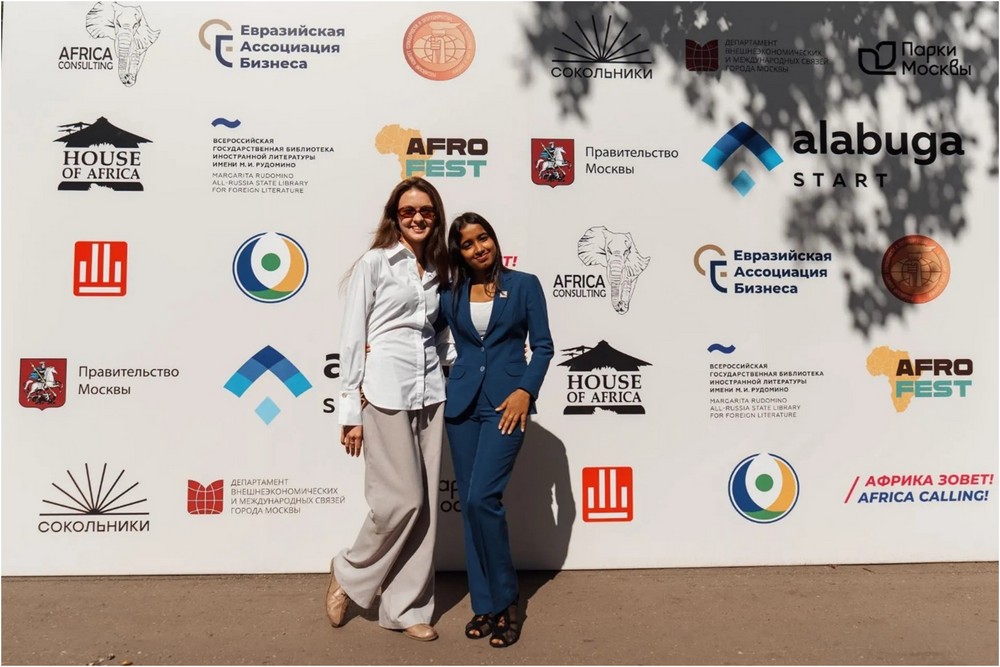
The stories of two sisters, Lashani and Mina from Sri Lanka, illustrate how such a cultural bridge is forged in practice. The girls came to Russia under the AlabugaStart programme, overcame language barriers, gained their first real experience of living independently, and decided to build their future in this country.
FROM FINAL EXAMS TO WORK IN RUSSIA: LASHANI’S STORY
Lashani came to Russia from Sri Lanka at the age of 20. After completing her final exams, she wanted to gain international experience and start earning her own money. She learned about the Alabuga Start programme from a friend. The main challenge for her was the Russian language, but classes with teachers and the support of her colleagues helped her adapt.
Lashani began working in Service and hospitality field, eventually rising to the post of Administrator. Now she welcomes new participants, explains the rules, and helps recruit fellow women. Her personal experience has become a tool for building trust and a cultural bridge between Russia and Sri Lanka.
FROM “UNKNOWN” TO “CERTAINTY”: THE PATH OF THE MINA
Before moving, Mina worked as a preschool teacher and dreamed of getting professional education in this field. After her father’s death, she decided to go abroad to support her mother, younger brother, and sister. Her cousin, Lashani, told her about the programme and helped her with the paperwork.
In Russia, Mina gained her first serious professional experience in the Service and hospitality field. She says the move replaced the anxious “unknown” with a sense of “certainty”: she became more independent, gained self-confidence, and was able to financially support her family. She is also pursuing her qualifications as an international teacher, continuing to move forward towards her original dream.

WHEN RELATIVES BECOME CONDUCTORS OF TRUST
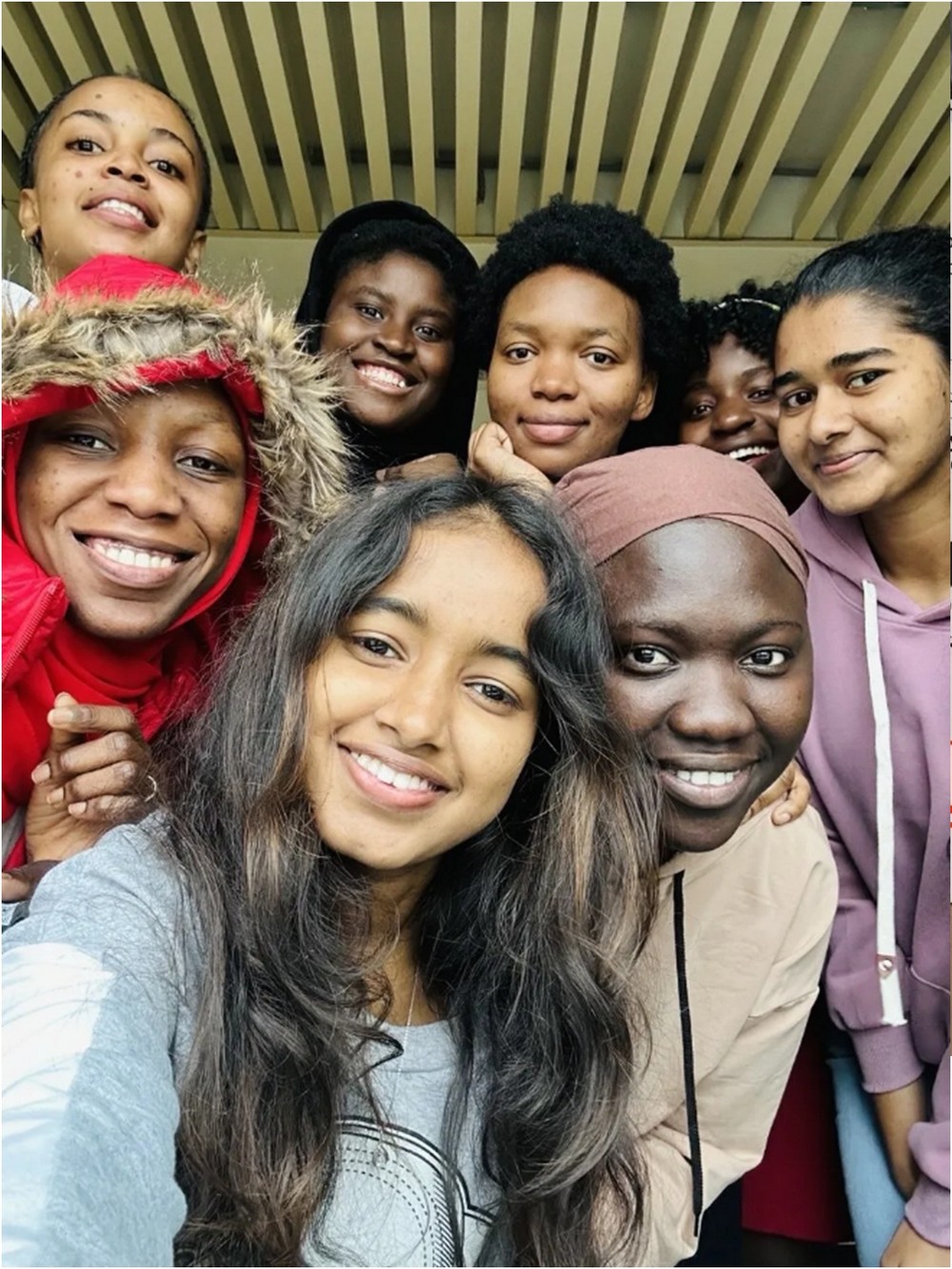
The stories of Lashani and Mina demonstrate how new migration routes are formed. The decision to move is often made not by reading an official advertisement, but by someone the candidate trusts.
Lashani learned about the programme from a friend, and Mina learned from Lashani. Now, the first participant personally helps bring her compatriots and explains to them the nuances of life in Russia. A chain of personal recommendations emerges, in which each new decision is based on the experience of the previous participant.
This mechanism is especially valuable for Russian soft power. The government or an organization can explain the programme’s terms, but trust in the country is built through everyday experiences: whether you’ve learned the language, how your colleagues treat you, whether you can send money to your family, who helps you with problems, and what opportunities open up after your first contract.
WORK AS A TOOL OF SOFT POWER
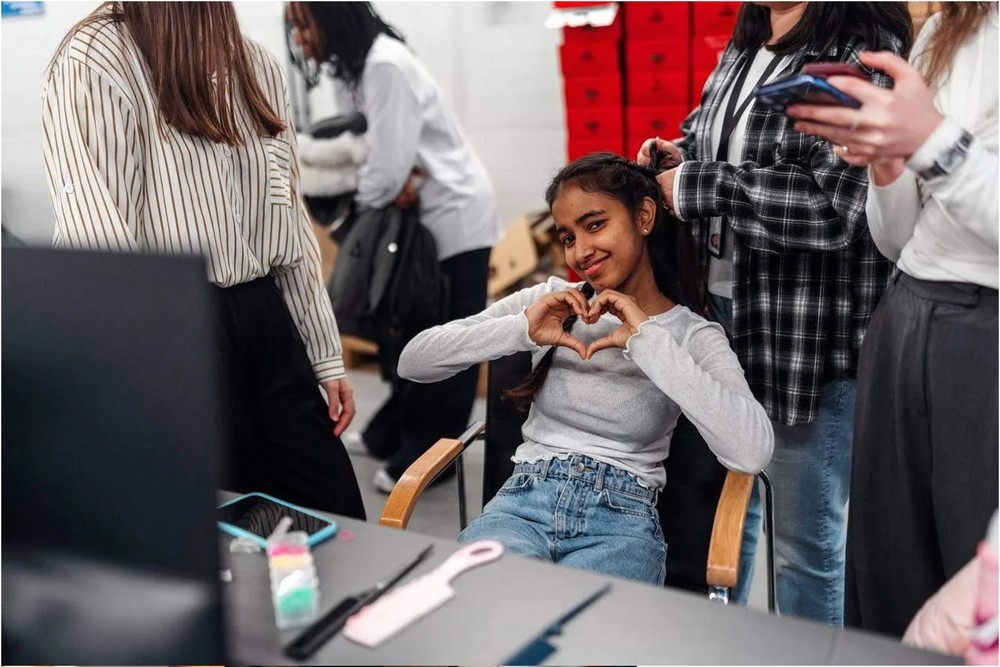
Using the example of young women from Sri Lanka, three effects of international work programmes can be identified.
The staffing effect. Participants take up positions in service, hospitality, and manufacturing, mastering professional processes and gradually taking on additional responsibilities.
The social effect. Young women earn their own income, help their families, learn the language, and gain experience living in a multicultural environment. For Mina, the income became a way to support her mother, and for Lashani, professional growth led to her involvement in working with new candidates.
The reputation effect. Participants talk about Russia at home, speak to potential candidates, and become a source of first hand information.
Unlike traditional diplomacy, this soft power operates through personal trust. It is carried out by people who have learned the language, worked in a Russian team, participated in cultural events, and maintained ties to their homeland.
A CULTURAL BRIDGE BUILT BY PEOPLE
Programmes like Alabuga Start transform labour migration into an effective channel for Russia’s soft power in Asia. They address specific challenges: meeting staffing needs, creating lasting human connections, and shaping a positive image of Russia through personal experience.
With the systematic development of such initiatives with an emphasis on language, adaptation, security, and career advancement Russia gains not only workers but also reliable cultural conduits. This is one of the most practical and sustainable tools for strengthening influence in Asia in the coming years.