

The Criminal Investigation Department (CID) has told the Colombo Fort Magistrate’s Court that investigations have uncovered information suggesting that sections of Sri Lanka’s military and state intelligence apparatus had prior information relating to the Easter Sunday attacks but failed to share it with other security agencies.
The claims were made as the case involving former State Intelligence Service Director Major General Suresh Sallay and other suspects linked to the Easter Sunday attacks was taken up before Fort Magistrate Pasan Amarasena.
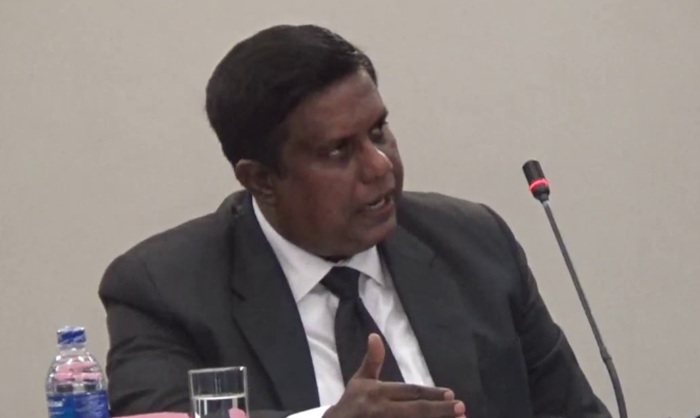
Appearing for the prosecution, Additional Solicitor General Dileepa Peiris said investigators were examining whether individuals within military intelligence deliberately withheld information despite receiving warnings about extremists linked to the attacks.
Peiris told court that investigators had recorded a statement from an intelligence source who had provided information to the First Military Intelligence Corps in Vavuniya.
According to the prosecution, the informant had been supplying information about extremists since 2014 and had provided specific information in the days leading up to the Easter Sunday attacks, including another warning on the day before the bombings.
However, Peiris alleged that the information had not been communicated to other security agencies.
“Information has emerged that military intelligence, despite having prior knowledge that the Easter Sunday terrorist attacks would take place, deliberately allowed it to happen,” Peiris told court, according to submissions made during the hearing.
He further alleged that an organised group within military intelligence had sought to protect Easter Sunday attack mastermind Zahran Hashim and, through him, shield those ultimately responsible for the attacks.
The prosecution also referred to investigations surrounding an earlier attack in Vavunathivu. Peiris said military intelligence had initially attributed that attack to a former LTTE member, despite a written communication allegedly sent by an officer at the Girithale intelligence camp on April 12 identifying Zahran as responsible.
Peiris alleged that those who withheld such information were officers linked to Sallay.
The prosecution also referred to former minister Rishad Bathiudeen and a Mannar businessman identified as Alawdeen, alleging that investigators were examining whether political and logistical support had been provided to individuals connected to the attackers.
Peiris told court that Alawdeen was the father-in-law of Shangri-La bomber Inshaf Ahmed and alleged that speedboats belonging to the businessman had been used by Zahran and others to travel to India before the attacks.
He further alleged that Alawdeen’s daughter, who had been married to Inshaf Ahmed, was released after being held under a detention order during former President Gotabaya Rajapaksa’s administration.
These allegations remain part of the ongoing investigation and have not been established as findings of guilt by a court.
The prosecution said investigators also intend to record statements from opposition politicians who had previously made allegations in Parliament about individuals who allegedly protected those behind the attacks.
Peiris also referred to information allegedly available to the State Intelligence Service before the bombings.
He said then-SIS officer Inspector Ranjan Senarath Bandara had sent then-SIS Director Nilantha Jayawardena a list containing the names of 94 extremists before the attacks. The list allegedly included Zahran, Rilwan and individuals who are now accused in the Easter Sunday attacks case.
According to the prosecution, Jayawardena had instructed officers to conduct further inquiries.
Peiris argued that the investigation had uncovered indications that groups within both military intelligence and the State Intelligence Service knew about the extremists but failed to act adequately on the information.
The CID is also investigating the events at Sainthamaruthu on April 26, 2019, days after the Easter Sunday attacks.
Peiris told court investigators were examining whether everyone who died at the location necessarily had to die and whether members of the military deliberately acted in a manner that prevented individuals from being taken alive and potentially providing information about the attacks.
The Magistrate questioned why intelligence officers named during the submissions had not been arrested if evidence existed against them.
Peiris responded that legal proceedings had been initiated against the possible arrest of an officer who had been in charge of the Girithale camp, adding that investigators were refraining from taking action while the matter remained before court.
Meanwhile, the prosecution raised concerns over Sallay’s continued hospitalisation.
Peiris said Sallay had been on medical leave for around 100 days since June 7 and alleged that the situation was being used to obstruct the investigation and protect others.
He questioned why medical reports previously sought by court from the Director of the National Hospital had still not been submitted.
The Magistrate said the reports had not yet been received.
President’s Counsel Shavindra Fernando, appearing for Sallay, rejected the prosecution’s characterisation of the allegations, arguing that statements contained in B reports were not themselves evidence.
He also rejected criticism surrounding his client’s medical condition and requested that court obtain the relevant medical reports through the proper procedure.
Following submissions, Magistrate Amarasena issued notice on the Director of the National Hospital to appear before court on the next date and explain the failure to provide the requested medical reports concerning Sallay, while producing the reports.
The case is scheduled to be taken up again on September 22. (Newswire)