

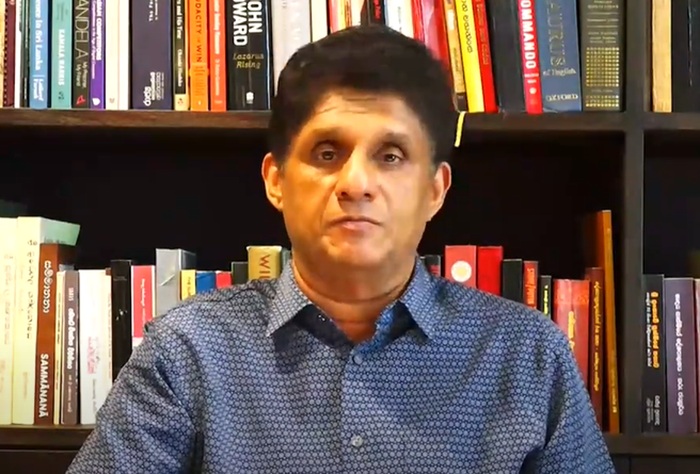
Opposition Leader Sajith Premadasa says the government is attempting to introduce an amendment to the Universities Act No. 16 of 1978 in a manner that is undemocratic and lacking transparency.
He said such a significant change should not be carried out without structured consultations with all relevant stakeholders, including university academics, administrators, and unions. Instead, he charged that the government is moving ahead without any formal dialogue or public clarity on the proposed reforms.
Premadasa made these remarks while commenting on the government’s move to revise the Universities Act. He said the proposed amendment includes major changes such as removing the existing system under which deans and heads of departments are elected by university academics, and transferring that authority either to the vice chancellor or the governing council.
He warned that granting unilateral power to the vice chancellor to appoint heads of departments, or centralising authority within the university council, could create serious problems at a time when the higher education sector is already facing tensions.
Premadasa further claimed that, even before Parliament has approved the new amendment, the Chairman of the University Grants Commission (UGC) has issued a letter instructing vice chancellors to halt the appointment of deans and heads of departments. He said this instruction has no legal basis and contradicts established procedures and existing law, adding that vice chancellors remain bound by the law currently in force.
The Opposition Leader argued that such actions demonstrate an erosion of democratic practice and an attempt to steer the country toward authoritarian decision-making. He urged the government to suspend the amendment process temporarily and engage in wide-ranging consultations before making changes to the Universities Act.
He added that only evidence-based, justifiable reforms should be pursued, and not changes that centralise power or weaken stakeholder participation. (Newswire)