

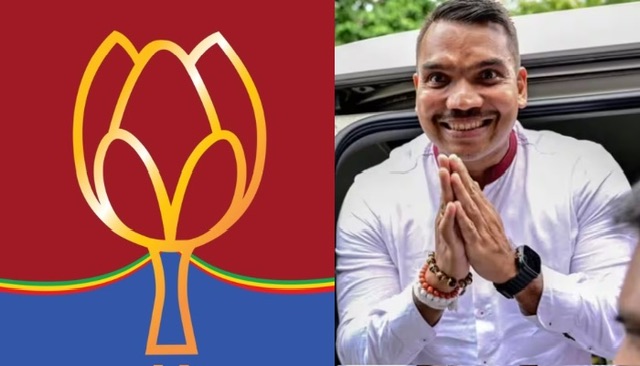
The Sri Lanka Podujana Peramuna (SLPP) has condemned the arrest and remand of its National Organizer and Parliamentarian Namal Rajapaksa by the Commission to Investigate Bribery or Corruption, alleging that the action was politically motivated.
Rajapaksa was arrested on September 4, 2026, and produced before the Colombo Chief Magistrate, who ordered that he be remanded until September 18 under Section 149 of the Anti-Corruption Act No. 9 of 2023.
In a statement, the SLPP said the arrest was “very questionable,” particularly as preparations were underway for a major public rally in Anuradhapura on September 12.
The party alleged that the arrest was intended to suppress Rajapaksa’s political voice and prevent growing anti-government sentiment and public participation in the planned rally.
The SLPP rejected all allegations against Rajapaksa, describing them as baseless and politically motivated. It also questioned the credibility of evidence relied upon by the Bribery Commission, referring to what it said were contradictory statements previously made by a person involved in the investigation.
The party said anti-corruption laws should be used to combat corruption and fraud rather than for political purposes, and called for independent state institutions to operate without political interference.
The SLPP urged civil society organizations, justice-related institutions and citizens who support the rule of law to speak out against what it described as the abuse of state power and the use of law enforcement institutions for political purposes.
Despite Rajapaksa’s remand, the party said the September 12 Anuradhapura rally would proceed as planned.
“The Anuradhapura mass rally scheduled for September 12, 2026 will be held as planned,” the party said, adding that it would stand “stronger, more determined and more united” with the people.
The SLPP also warned the Government that the arrest of an individual would not prevent the broader political movement from continuing its activities or suppress public demands.