

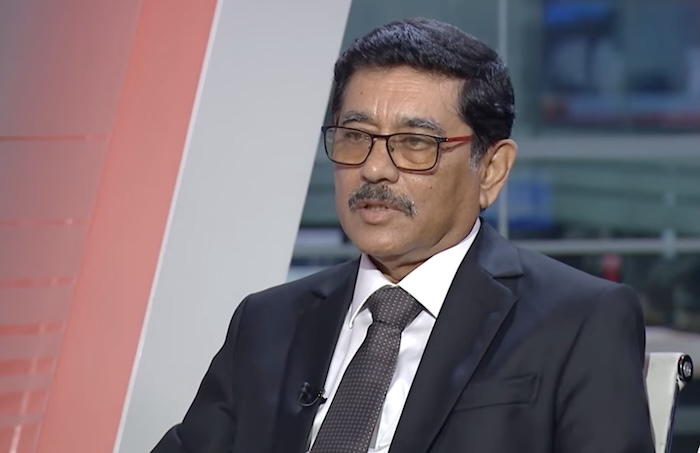
Sri Lanka’s economy could see stronger-than-expected growth in 2026, driven by increased government spending on post-cyclone recovery, though it is still too early to assess the full impact, Central Bank Governor Dr. Nandalal Weerasinghe said.
Speaking during a televised program on the country’s economic outlook, Weerasinghe said that while initial projections estimated growth in the range of 4 to 5%, the additional stimulus from reconstruction efforts may push economic activity even higher, provided the funds are spent efficiently and without major delays.
Weerasinghe noted that economic growth in 2023 had exceeded expectations, with growth nearing 5% by the third quarter. While the impact of Cyclone Ditwah in the fourth quarter remains to be fully assessed, he said final growth figures would likely remain close to that level.
“Before the cyclone, our growth projections for the next few years were in the range of 4 to 5%,” Weerasinghe said. “But with the reconstruction and recovery spending now added, economic activity could be higher in 2026.”
He explained that the government had allocated Rs. 1.4 trillion for public investment in 2026, and an additional Rs. 500 billion is now expected to be added for cyclone recovery efforts. This spending, particularly in construction and related sectors, could further stimulate growth.
However, the governor cautioned that increased demand for goods, services, and labor could also drive prices higher. “There could be some upward pressure on inflation,” he said, noting that inflation had been around 2% but was expected to rise to around 5% by the third quarter of 2026. With higher demand, that increase might come sooner.
Weerasinghe also highlighted potential implications for foreign exchange reserves. As the government spends more in local currency, demand for imports, such as construction materials and fuel, is expected to rise, increasing pressure on the trade balance.
To manage that, Sri Lanka will need to boost foreign exchange earnings through exports, tourism, and possibly additional external financing through loans and grants, he said.
While the overall outlook suggests stronger growth potential, Weerasinghe stressed that the actual outcome depends on how efficiently and quickly recovery spending is implemented.
“It’s still too early to factor in everything,” he said, citing possible delays in procurement and execution. (Newswire)