

Acts of religious devotion should not be interpreted as ethnic or nationalist behaviour, stating that long-standing pilgrimage traditions span regions and communities.
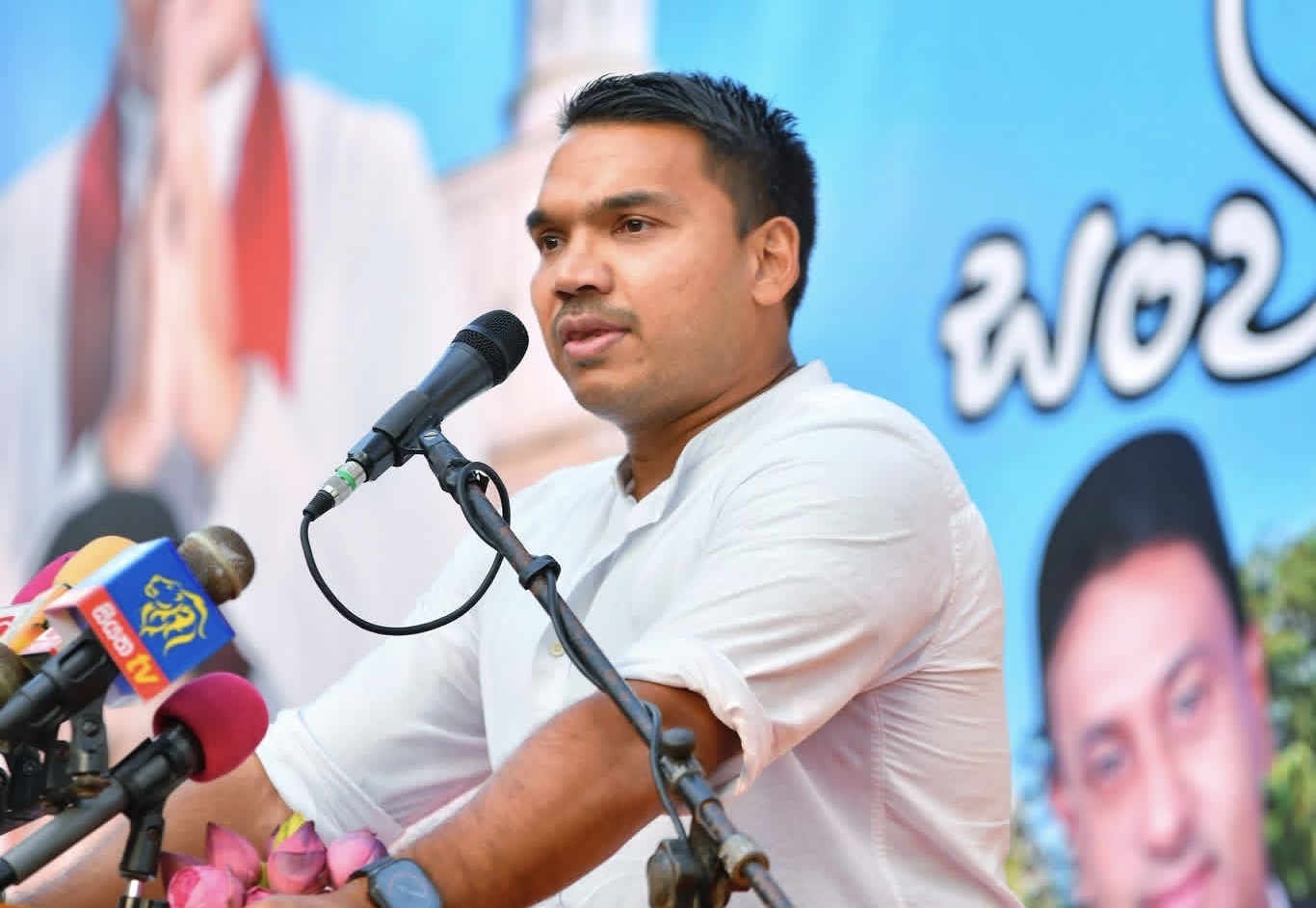
Rajapaksa, the national organiser of the Sri Lanka Podujana Peramuna, made the remarks while addressing a public meeting in Thambuttegama, Anuradhapura.
He said travel for religious observances, whether from the south to Jaffna or from the north to Kataragama, should not be viewed through an ethnic lens, adding that such practices reflect faith rather than division.
Rajapaksa said cross-regional visits, including those by political leaders, were not intended to provoke hatred, jealousy or anger. He noted that President Anura Kumara Dissanayake had visited his village on two occasions, and that he had similarly visited the president’s village.
“I come with a political philosophy I believe in. Within Sri Lanka’s indigenous culture, and within a society rooted in Buddhist values, all cultures must be protected,” Rajapaksa said.
He said the country required a political movement based on respect for the land and its people, rather than what he described as opportunistic politics that compromises national, ethnic or religious interests to retain power.
Referring to examples of religious coexistence, Rajapaksa said Buddhist monks travel to worship at the Nagadeepa temple, Catholic devotees journey to the Madhu Shrine, and Hindu pilgrims travel from Jaffna to Kataragama, practices that have continued across regions.
“That is not ethnic nationalism,” he said. “That is faith.” (Newswire)