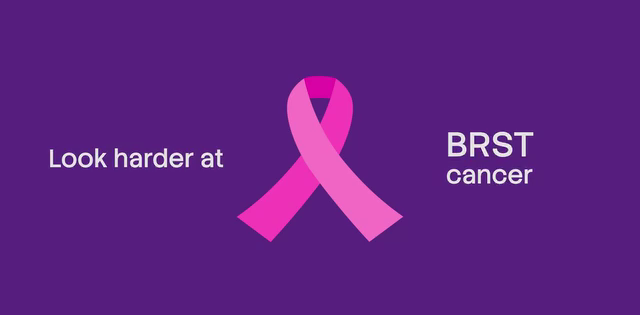

Everyone has an opinion on women’s bodies. But how much attention do we really pay to women’s health?
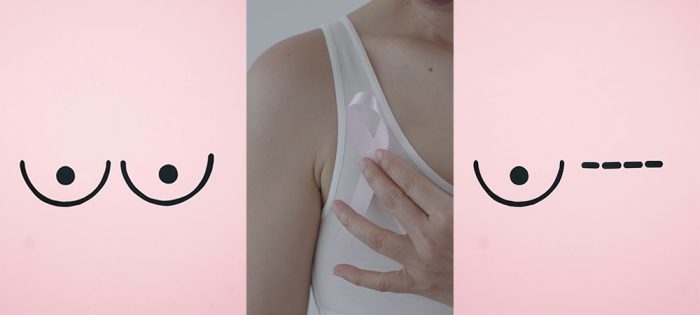
That is the powerful question behind “How Hard Did You Look?”, a breast cancer awareness campaign challenging society to move beyond appearances and recognise the importance of women’s health, early detection and potentially life saving action. The message comes at a time when breast cancer remains one of Sri Lanka’s most serious public health concerns, affecting thousands of women and their families each year.
Breast Cancer Claims Around Three Lives Every Day
Breast cancer claims approximately three lives every day in Sri Lanka, according to health officials, highlighting the importance of early detection, regular examinations and timely treatment. Estimates from the International Agency for Research on Cancer indicate that 6,400 women developed breast cancer in Sri Lanka in 2024, reflecting the significant burden of the disease. Medical professionals have also highlighted the daily impact, reporting approximately 15 new diagnoses among women and three deaths each day during a parliamentary health awareness briefing in 2025.
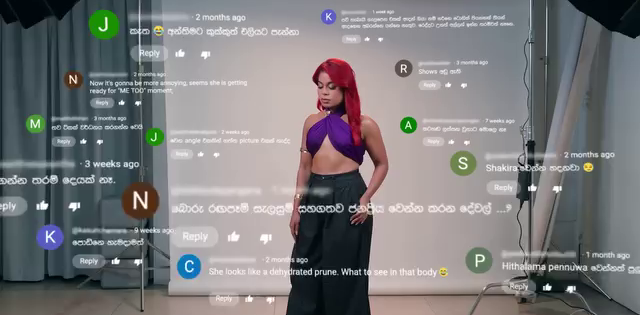
Another concerning finding is that around 30% of breast cancer cases are identified at a late stage, when the disease is more difficult to treat and the chances of successful treatment may be reduced. One of the strongest messages in the awareness campaign is that early detection could save more than 90% of lives. While this is a campaign message rather than a verified Sri Lankan survival estimate, international medical evidence shows that survival is substantially higher when breast cancer is detected before it spreads.
The message is clear: recognising warning signs early and seeking medical attention without delay can make a life-saving difference.
Behind every statistic is a woman, a family and a life that matters.
Four Letters That Could Make a Difference
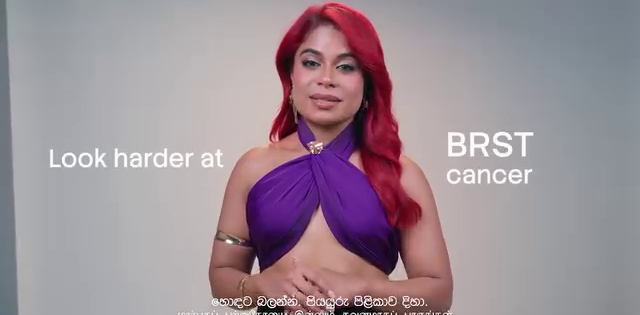
The campaign encourages everyone to remember four simple letters — BRST — to recognise some of the most common warning signs of breast cancer.
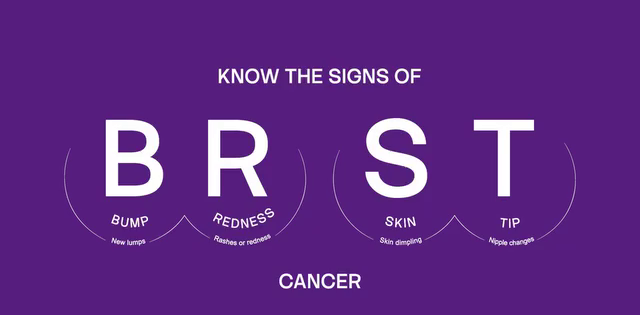
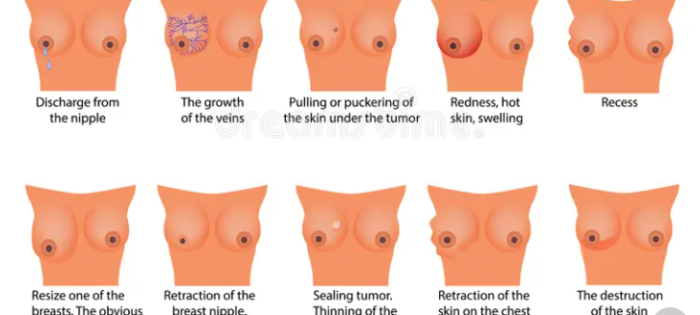
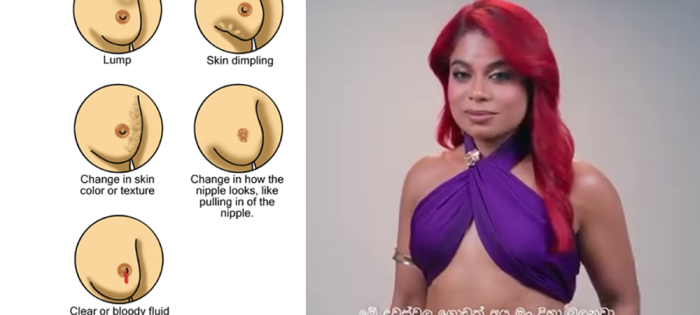
B stands for Bump, referring to a new lump or thickening in the breast or underarm area. R stands for Redness, including unusual redness or a persistent rash. S stands for Skin, referring to dimpling, puckering or other changes in the breast’s skin. T stands for Tip, highlighting changes to the nipple, including unexpected discharge.
One important fact that many people may not realise is that breast cancer does not always cause pain.
According to the World Health Organization (WHO), breast cancer can develop without painful symptoms, and a painless lump should never be ignored. Although most breast lumps are not cancer, any new or unusual change should be examined by a healthcare professional. Women should not wait until symptoms become painful or more noticeable before seeking medical advice.
Regular Breast Check-ups Can Save Lives
Early detection is one of the most important steps in improving breast cancer treatment outcomes. Women are encouraged to become familiar with the normal appearance and feel of their breasts, recognise unusual changes and attend appropriate clinical examinations and screenings. Mammography is an important screening method that can identify breast changes before symptoms become noticeable.
International screening recommendations include mammograms every two years for women aged 40 to 74, as advised by the US Preventive Services Task Force. Other professional guidelines allow annual screening, depending on age and individual circumstances. In Sri Lanka, women aged 40 and above are encouraged to discuss mammography and the appropriate screening interval with a healthcare professional. Women with a family history of breast cancer or other risk factors may require an individual screening plan.
Regular screening should not be delayed simply because there are no symptoms. Equally, women who notice an unusual change should seek medical assessment promptly rather than wait for their next scheduled mammogram.
Sri Lanka has government breast clinics and cancer early detection services, including the Cancer Early Detection Centre at the National Hospital of Sri Lanka, Colombo — OPD Complex.
For information about available services, the public can contact the National Cancer Control Programme (NCCP) head office on 011 236 8627.
Knowing the warning signs is only the first step. Taking action matters.
Let’s Change the Conversation from Women’s Bodies to Women’s Health
This is where the campaign’s creative approach delivers its most powerful message.
Developed by Softlogic Life Insurance in collaboration with the Women’s Chamber of Industry and Commerce (WCIC), featuring popular singer Umaria Sinhawansa, “How Hard Did You Look?” challenges the way society often focuses on women’s physical appearance while overlooking their health and wellbeing.
Rather than relying on conventional health awareness messaging, the campaign uses a thought provoking creative approach to question society’s priorities and encourage a meaningful change in attitudes.
“Let’s change the conversation from women’s bodies to women’s health.”
At a time when advertising frequently competes for attention, it is encouraging to see a leading Sri Lankan company use its creativity, influence and communication platforms to highlight an important national health issue. When major corporate brands take an active role in public-health awareness, they can help bring important messages beyond hospitals and medical professionals into homes, workplaces and everyday conversations.
Softlogic Life, Umaria Sinhawansa and the Women’s Chamber of Industry and Commerce deserve recognition for using a powerful creative campaign to address a national health concern that affects thousands of Sri Lankan families.
Such initiatives demonstrate how leading brands can contribute to society beyond their commercial activities by raising awareness, encouraging responsible conversations and inspiring positive action. However, the real impact of any awareness campaign depends on what happens after its message reaches the public. If the campaign encourages even one woman to recognise a warning sign, book a breast examination or seek medical advice without delay, it will have helped turn awareness into meaningful action.
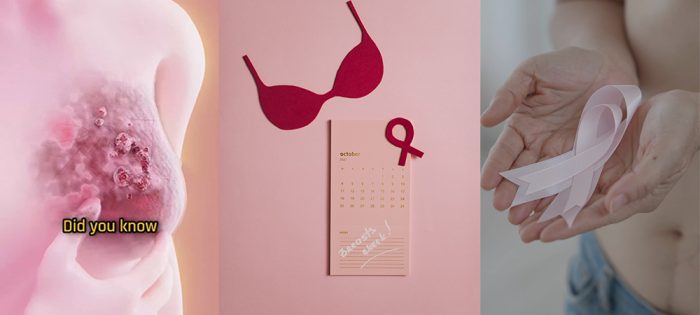
The responsibility also extends beyond women. Families, partners, employers and communities all have a role in encouraging women to prioritise their health and supporting access to timely medical care.
We spend so much time looking at women’s bodies. It’s time we paid more attention to women’s health.
LOOK HARDER. KNOW THE SIGNS. ACT EARLY.
Notice a change? Speak to a doctor.
For service enquiries, contact the National Cancer Control Programme (NCCP) on 011 236 8627.