
World Tsunami Awareness Day is being observed on Thursday, 5 November 2026, with the United Nations calling on governments, coastal communities and individuals to strengthen their ability to recognise tsunami threats and respond before lives are lost.
This year’s theme, “Be Tsunami Ready: Resilience Starts With You”, places particular emphasis on personal responsibility and community action. Led by the United Nations Office for Disaster Risk Reduction (UNDRR), the campaign highlights a simple but potentially life-saving message: sophisticated warning systems matter, but people must know what to do when danger approaches.
The annual observance was established by the UN General Assembly in December 2015. The date recalls an 1854 incident in Japan, when a villager reportedly set fire to bundles of rice to alert neighbours to an approaching tsunami and encourage them to move to higher ground. More than 170 years later, the lesson remains relevant: early action can save lives.
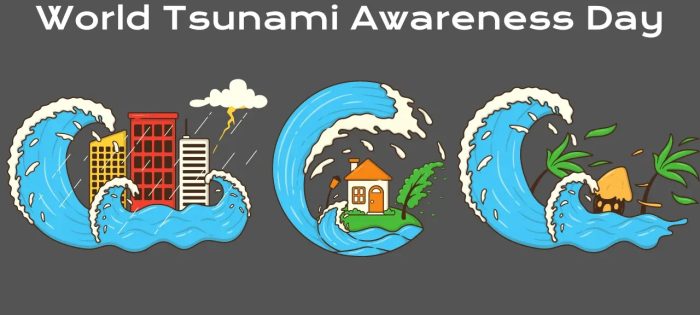
The 2026 campaign builds on last year’s focus on investing in preparedness. It supports the Sendai Framework for Disaster Risk Reduction 2015–2030, the global Early Warnings for All initiative and UNESCO’s Tsunami Ready Programme, which helps communities improve awareness, evacuation planning and preparedness.
UN Secretary General António Guterres has urged governments to invest in resilient coastal infrastructure, risk-informed land use and warning systems while stressing that families and neighbourhoods also have a vital role to play. Sri Lanka is among the countries helping organise a UN Headquarters commemoration bringing together scientists, policymakers and disaster risk reduction specialists.
Understanding the Danger and Taking Action
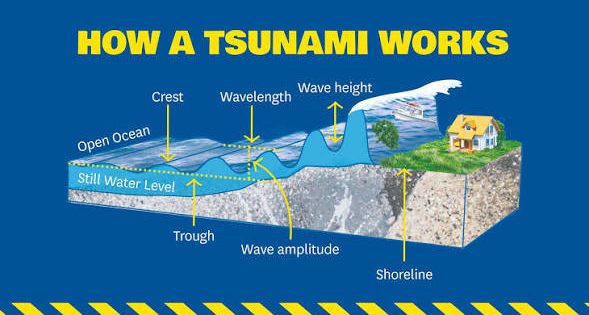
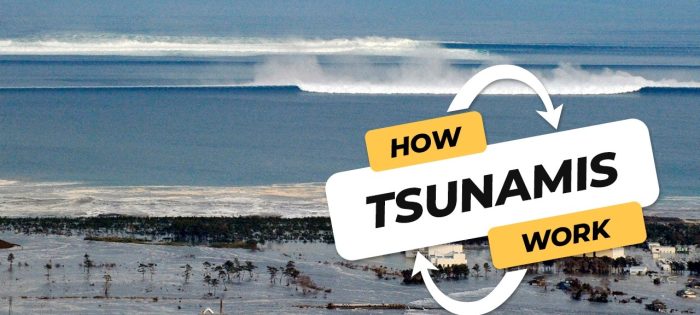
A tsunami is not an ordinary sea wave or a single wall of water. It is a series of powerful waves, usually generated when an underwater earthquake suddenly displaces a large volume of water. Submarine landslides and volcanic eruptions can also trigger tsunamis. In deep water, the waves may be difficult to notice, but they can become destructive as they reach shallow coastal areas.
The first wave is not necessarily the largest, and dangerous currents and flooding can persist for hours. Coastal residents and visitors should therefore never return to the shore simply because the sea appears calm.
Natural warning signs include strong or prolonged earthquake shaking, the sea suddenly withdrawing or rising unusually, and a loud roar from the ocean. Anyone noticing these signs should move immediately inland or to higher ground, without waiting for an official warning or approaching the beach to investigate.
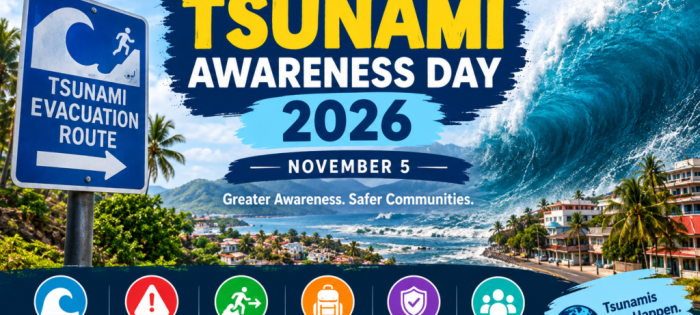
Preparedness begins long before an emergency. Families should identify safe evacuation routes and meeting points, keep essential supplies and medicines accessible, and practise leaving quickly. Schools, hotels, businesses and local authorities are encouraged to conduct drills and make clear information available in languages and formats everyone can understand.
The 2026 campaign also stresses inclusive planning for children, older people, persons with disabilities and tourists who may not know local escape routes. Its #GetToHighGround message urges coastal communities to turn knowledge into practical action.
Sri Lanka’s Devastating Tsunami of 26 December 2004
For Sri Lanka, World Tsunami Awareness Day carries special meaning because of the Indian Ocean tsunami on 26 December 2004, one of the deadliest natural disasters in modern history.
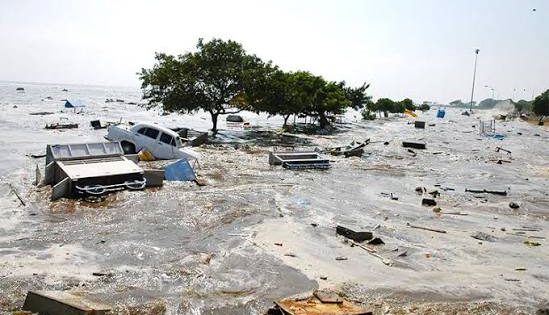
Triggered by a massive undersea earthquake off the coast of Sumatra, Indonesia, the tsunami swept across the Indian Ocean and devastated communities along Sri Lanka’s eastern, southern and northern coastlines, as well as parts of the west. Homes, schools, hospitals, fishing boats, roads and tourism facilities were destroyed, leaving families struggling to rebuild their lives.
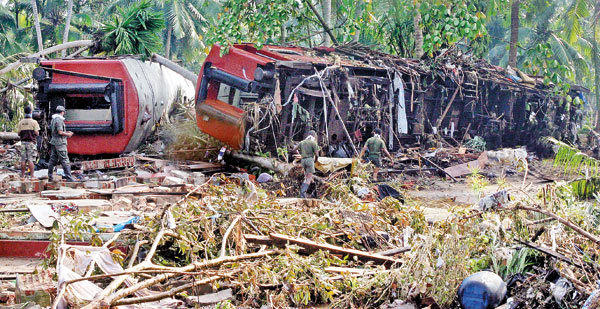
More than 35,000 people died in Sri Lanka, making it the second-worst affected country after Indonesia. Around one million people were displaced or left without secure shelter, according to humanitarian estimates. Thousands of children lost relatives, while many survivors faced prolonged economic and emotional hardship.
The disaster exposed serious gaps in public awareness and early warning arrangements. It subsequently helped drive improvements in tsunami monitoring, disaster management and evacuation education across the Indian Ocean region.

Twenty-two years later, the central message of World Tsunami Awareness Day 2026 is clear: tsunamis cannot be prevented, but informed decisions, timely warnings and well practised evacuation plans can prevent many avoidable deaths.