

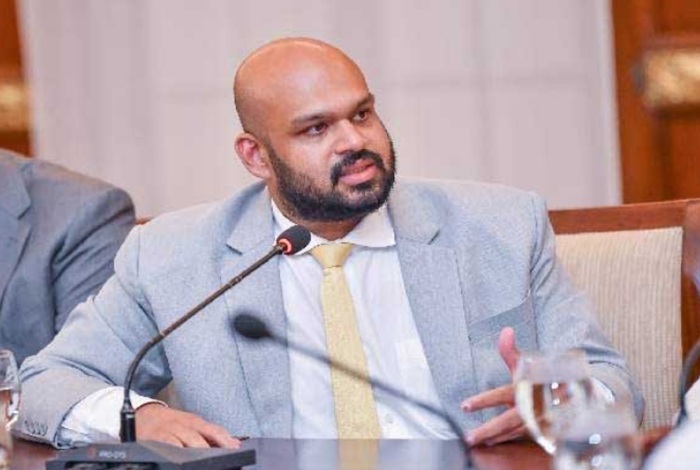
Batticaloa District MP Shanakiyan Rasamanickam has questioned whether billions of rupees allocated by the Treasury for fuel subsidies are providing sufficient relief to the public, calling for greater transparency in the utilisation of government funds.
Speaking in Parliament on Friday (6), the MP raised concerns over rising fuel prices, the profitability of the Ceylon Petroleum Corporation (CPC) and the financial burden faced by ordinary citizens.
Rasamanickam questioned whether the full benefits of the Rs. 41 billion provided to the CPC between April and June 2026 had been passed on to consumers through reduced fuel prices.
He pointed out that the CPC had recorded a net profit of Rs. 29.2 billion during the same period and questioned whether the primary responsibility of the state-owned corporation was to generate profits or provide affordable fuel to the public.
The MP also challenged a statement made by Deputy Minister Kaushalya Ariyarathne that fuel was being sold in Sri Lanka below its import cost.
According to figures cited by Rasamanickam, diesel was being imported at Rs. 389 per litre and petrol at Rs. 322 per litre. He sought clarification on how these figures compared with current retail prices and the government’s fuel pricing mechanism.
Referring to the Ministry of Finance’s Mid-Year Fiscal Position Report, the MP said the Treasury held a cash balance of Rs. 690.3 billion at the end of June 2026.
He questioned why additional taxes were being imposed on fuel when the Treasury held substantial cash reserves.
Rasamanickam also sought details of the total fuel subsidies allocated since January, the amounts distributed to the CPC and other fuel companies, and the government’s monthly expenditure on fuel and electricity relief.
He further questioned whether the existing Rs. 70 per litre diesel subsidy would continue beyond December 31, 2026.
The government has already approved a further allocation of approximately Rs. 41 billion to subsidise Auto Diesel and Industrial Diesel during October, November and December.
Highlighting the impact of rising living costs, Rasamanickam said headline inflation had reached 8.3% in October, while food inflation had increased to 8.8%.
He urged the government to introduce targeted fuel subsidies for farmers, fishermen and public transport operators, arguing that such assistance would provide more direct benefits to households and productive sectors.
The MP warned that higher diesel prices could significantly increase agricultural production costs during the forthcoming Maha cultivation season.
He said providing fuel relief to public transport operators could also help reduce transport fares and ease the financial burden on commuters.
Meanwhile, President Anura Kumara Dissanayake has previously acknowledged the need for more targeted subsidies, announcing discussions on a digital mechanism to direct fuel assistance towards public transport, agricultural machinery, fishing vessels and vehicles transporting vegetables.
Rasamanickam called on the government to disclose how public funds allocated for fuel subsidies were being utilised and whether the intended benefits were reaching consumers. (Newswire)