

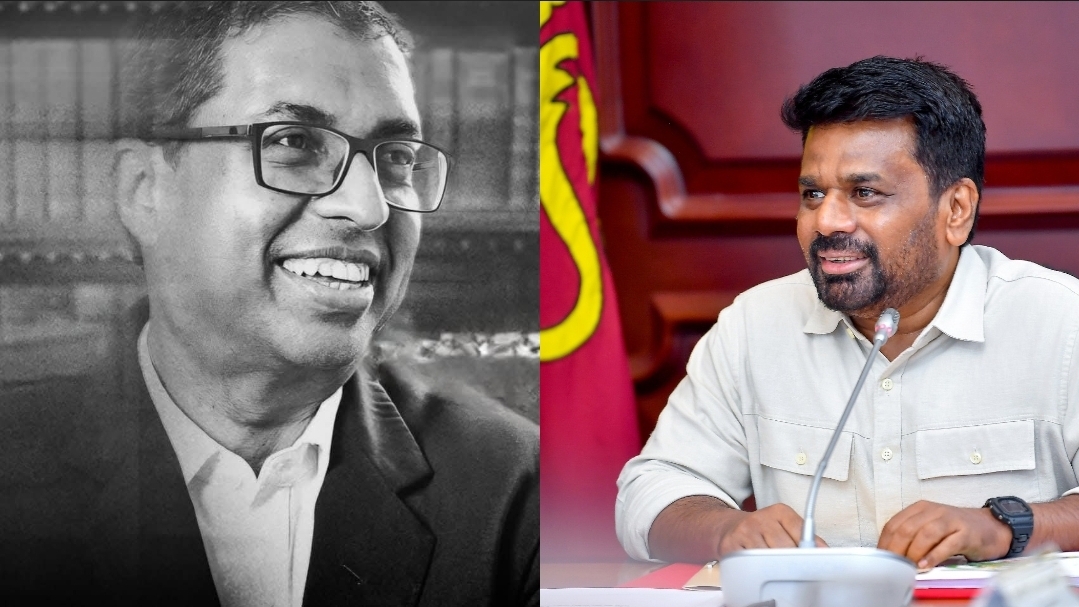
By Saliya Peries PC
Today’s Sunday Observer reports that the Ministry of Justice will place a proposal before the Cabinet of Ministers to amend Sri Lanka’s Constitution to extend the retirement age of superior court judges by two years and also to extend the retirement age of other judges by two years.
Although this measure has been touted by its supporters as a simple measure to keep experienced judges in office in order to clear the backlog of cases, it is an ill considered measure which will have far reaching consequences adversely affecting Sri Lanka’s judiciary. Merely increasing the retirement age of judges will not remedy laws’ delays.
This is why the representative body of judicial officers, the Judicial Services Association which has many times with courage and foresight taken a principled position on issues of rule of law and the independence of the judiciary unanimously opposed this measure.
The grave impact of this measure will be seen in the decades to come and will adversely affect the judiciary far beyond the tenure of the present President or Parliament or of the judges whose terms will be extended .
In my view this measure will taint the legacy of President Anura Kumara Dissanayake who will then join the list of other Presidents who in the past unashamedly attempted to tamper with the independence of the judiciary, only to find that their actions led to their own downfall.
The retirement age of superior court judges is set out in that part of the Constitution which deals with the independence of the judiciary. That chapter is the same part which deals with the appointment and removal process, judges’ salaries and pensions etc. This is why a constitutional amendment is required.
Constitutional amendments must be done through a consultative process and not through a secret process depriving the public and the stakeholders of an opportunity to discuss them. In this case there has been zero consultation of the stakeholders or the public.
Sri Lanka’s leaders have time and again introduced hurried constitutional amendments pretending they are for public good when they were actually done to achieve their own political ends. Many times these amendments were passed without thinking through their adverse consequences.
The 1st amendment which made it easier to deprive Mrs. Bandaranaike of her civic rights, the 4th amendment which extended the life of the 1977 Parliament by six years, the 18th and 20th amendments which strengthened the autocratic powers of the executive President are just a few examples.
An amendment done to enhance the age of retirement of the senior most judges, prolonging their tenure, done without a consultative process and planned in secret among a few people in the corridors of power will lead to questions on the independence of the judiciary. In fact such an amendment is an insult and affront to those members of judiciary who never sought such a change.
This amendment will also open the door for future governments, perhaps led by even rivals of the present regime, to increase or decrease the ages of the Chief Justice or other judges in office depending on the preferences of the government of the day. One President may decide to further increase the age to perhaps this time to 75 or 80 years, or citing the US example for a life tenure. Another President may want to reduce the retirement age and to send off judges he or she dislikes early. Another may make it easier for the removal of judges and yet another amend other provisions affecting judicial independence.
Judicial independence is part of the sovereignty of the people and part of their intangible heritage. It is not the prerogative of one party or a leader currently in power.
The President and the Government must exercise their powers in public trust and ensure that wisdom and foresight prevails.