

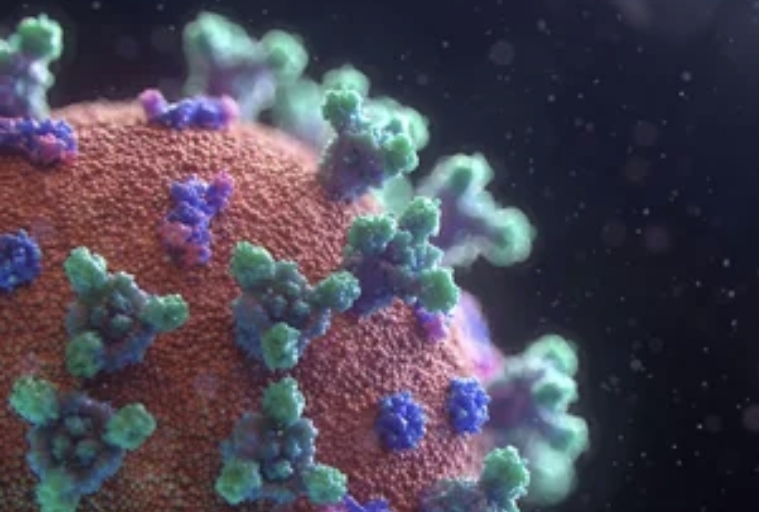
Artificial intelligence has been used to design brand-new viruses that are fully functional and capable of replicating in the laboratory for the first time, according to researchers at Stanford University.
The team created 16 new bacteriophages—viruses that infect bacteria but pose no threat to humans—using AI models trained on genetic sequences from viruses, bacteria, plants and humans. The findings were published in the journal Science.
Researchers say the breakthrough could accelerate the development of new treatments for antibiotic-resistant bacterial infections through phage therapy and marks a major advance in AI-assisted synthetic biology.
However, experts have also warned that the technology raises significant biosafety and biosecurity concerns, noting that future misuse could enable the design of harmful viruses if adequate safeguards are not maintained.
The researchers said they deliberately excluded viruses capable of infecting humans from the AI training data and conducted the work in a secure laboratory to minimise risks. (Newswire)