

By Newswire Editorial
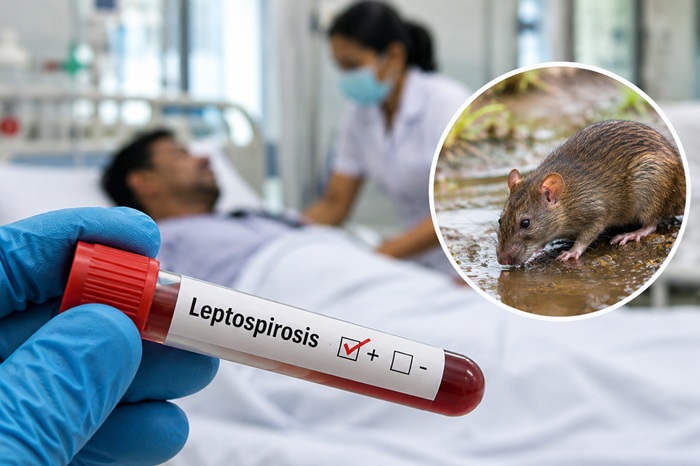
Nearly 7,000 cases of leptospirosis, commonly known as rat fever, have been reported in Sri Lanka so far this year, with health authorities warning of a further increase in infections due to the prevailing monsoon rains and the commencement of the Maha cultivation season.
Consultant Community Physician at the Epidemiology Unit, Thushari Dabarera, said approximately 300 people die from leptospirosis in Sri Lanka annually.
Speaking at a media briefing held at the Health Promotion Bureau, she warned that the disease could be fatal if not identified and treated promptly.
According to health officials, the highest numbers of leptospirosis cases reported so far this year have been recorded in the Ratnapura, Kegalle, Galle and Matara districts.
The Epidemiology Unit and the Health Promotion Bureau have jointly urged the public to remain vigilant, particularly those engaged in agricultural activities and working in muddy or waterlogged environments.
Health officials noted that leptospirosis cases generally increase during two periods of the year, from April to June and from September through January, coinciding with rainy seasons and agricultural activities.
Leptospirosis is a bacterial infection transmitted from animals to humans, primarily through water or soil contaminated with the urine of infected rats and other domestic or wild animals.
The bacteria can enter the human body through cuts, wounds, damaged skin or mucous membranes when individuals come into contact with contaminated water or mud.
Farmers working in paddy fields and individuals exposed to floodwaters are among those at higher risk of contracting the disease.
Health authorities warned that symptoms of leptospirosis can resemble those of dengue and influenza, making early diagnosis important.
Individuals experiencing fever, body aches, sore throat, severe headaches, muscle pain, particularly in the legs and feet, or redness of the eyes have been advised to seek immediate medical attention.
The public has also been urged to avoid self-medication, as delays in treatment could lead to severe complications and even death.
Health officials further advised individuals working in paddy fields or muddy environments to use protective footwear and gloves, cover wounds with waterproof dressings and obtain preventive medication under medical guidance when recommended.
They emphasised that early detection and timely treatment are essential to preventing serious complications and fatalities associated with leptospirosis. (Newswire)