

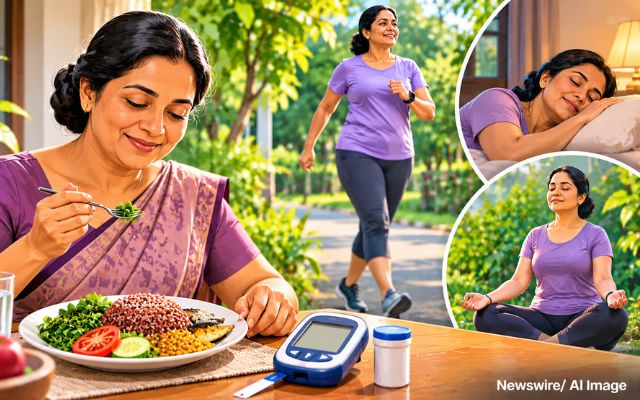
Diabetes can be controlled and prediabetes can often be reversed, but only if you know you have it and act early. In Sri Lanka, that first step is where most people fall short.
WHO estimates from 2022 suggest that 31% of Sri Lankan adults aged 30 and above live with diabetes. Of those, 38% are undiagnosed and 41% receive no treatment at all. The national 2018/2019 Sri Lanka Health and Ageing Survey found nearly one in four adults had diabetes, with many more in the prediabetes range.
Fresh screening data reinforces the picture. The Union Assurance Suwamaga programme screened 23,190 people across 25 districts between June 2024 and August 2025. Among those given a fasting blood sugar test, 27% had prediabetes and 20% had diabetes. Overall, 82% of participants had either never been tested or were unaware of their risk.
The good news is that the tools to manage both conditions are well established. Here is what works.
Diabetes and prediabetes: what is the difference?
Diabetes is a long-term condition in which the body cannot use or produce enough insulin, so sugar builds up in the blood. Over time, high blood sugar damages the heart, kidneys, eyes, nerves and feet.
Prediabetes means blood sugar is above normal but not yet high enough to be called diabetes. It usually has no symptoms. Without changes, many people with prediabetes go on to develop type 2 diabetes. With the right habits, many return to normal levels.
As the Diabetes Association of Sri Lanka puts it, healthy lifestyles are crucial to reverse or delay illness in people with prediabetes.
Warning signs to watch for
Prediabetes almost never causes symptoms, which is why testing matters. Type 2 diabetes can also stay silent for years. When symptoms do appear, they often include:
- Feeling very thirsty and passing urine often, especially at night
- Tiredness and low energy
- Blurred vision
- Cuts and wounds that heal slowly
- Frequent infections of the skin, gums or urinary tract
- Tingling or numbness in the hands or feet
- Unexplained weight loss
- Dark, velvety patches of skin on the neck or armpits, a sign of insulin resistance
If you notice any of these, see a doctor and ask for a blood sugar test. Do not wait for symptoms, though. The Diabetes Association of Sri Lanka estimates that half of people with diabetes do not know they have it.
Step 1: Know your numbers
You cannot manage what you have not measured. A simple blood test tells you where you stand, and the Diabetes Association of Sri Lanka uses these reference ranges:
| Test | What it measures | Normal | Prediabetes | Diabetes |
|---|---|---|---|---|
| Fasting Blood Sugar (FBS) | Blood sugar after 8–10 hours without food | Below 100 mg/dL | 100–125 mg/dL | 126 mg/dL or above |
| Random Blood Sugar (RBS) | Blood sugar at any time of day | Below 140 mg/dL | 140–199 mg/dL | 200 mg/dL or above |
| HbA1c | Average blood sugar over the past 3 months | 4.3–5.6% | 5.7–6.4% | 6.5% or above |
A single high reading is not a diagnosis. Your doctor will usually confirm with a repeat or second test.
Do not rely on your weight alone. For South Asians, health risks start at a lower BMI. The Asian cut-offs treat 23.0–24.9 as overweight and 25 or above as obese. Even so, the Sri Lanka Health and Ageing Survey found that 21% of adults with a normal BMI had diabetes. Slim people need testing too.
Who should get tested? Anyone over 30, and sooner if you have:
- A parent or sibling with diabetes (39% of people diagnosed through Union Assurance Suwamaga reported a family history)
- Excess weight, especially around the waist
- High blood pressure or high cholesterol
- A history of diabetes during pregnancy
- An inactive lifestyle
Age matters too: 36% of Sri Lankans aged 41–60 live with diabetes, rising to 48% among those over 60. In the Union Assurance Suwamaga screenings, 59% of people aged 60 and above had prediabetes or diabetes on the fasting test.
What islandwide screenings revealed
The Union Assurance Suwamaga programme ran free screenings at 263 locations in all 25 districts. Its results show how common high blood sugar is among ordinary Sri Lankans who walked in for a check:
| Test | Key result | Who was most affected |
|---|---|---|
| BMI | 47% had an unhealthy weight; 34% overweight and 13% obese | Ages 30–59, with 53% overweight or obese; women (50%) more than men (42%) |
| Fasting Blood Sugar | 20% diabetes, 27% prediabetes | Ages 60+, with 59% in either range; men and women equal at 20% diabetes |
| Random Blood Sugar | 22% prediabetes or diabetes | Men (26%) more than women (18%); ages 60+ at 33% |
| HbA1c (people referred after high readings) | 76% diabetes, 15% prediabetes | Ages 45+, at 79% |
Two lessons stand out. First, middle-aged adults aged 30–49 are at clear risk but are often missed by screening. Second, nearly half of participants were in an unhealthy weight range, yet some with a normal BMI still had abnormal sugar levels.
Step 2: Change the plate
Food is the most powerful daily lever for both conditions. The Sri Lankan diet is heavy on white rice, sugary tea and short eats, so small swaps add up.
- Use the half-plate rule. Fill half the plate with vegetables and gotukola or mallum, a quarter with protein such as fish, dhal, eggs or chicken, and a quarter with rice or another starch.
- Cut the rice portion, not just the type. Red or brown rice and kurakkan are better than white rice, but the amount still matters.
- Drink less sugar. Gradually reduce sugar in tea and coffee, and swap fizzy drinks, cordials and packaged juices for water or plain tea.
- Limit refined and fried snacks. Cut back on white bread, biscuits, rolls, patties and kottu made with refined flour.
- Choose whole fruit over juice, and keep portions of very sweet fruits like mango and jackfruit modest.
- Eat regular meals rather than skipping and then overeating later.
What a better day of eating can look like
You do not need special foods. Familiar Sri Lankan meals work well with a few adjustments:
| Meal | Instead of | Try |
|---|---|---|
| Breakfast | White bread with jam, or milk rice with sugar | Boiled chickpeas, green gram or cowpea with a little coconut; or two string hoppers made with red flour, with dhal and pol sambol |
| Morning tea | Sweet milk tea and biscuits | Plain tea or tea with less sugar, and a handful of peanuts or a piece of guava |
| Lunch | A heaped plate of white rice with one or two curries | One cup of red rice, a large serving of vegetables and a leafy mallum, fish or chicken curry, and a salad |
| Evening tea | Rolls, patties or a fizzy drink | Plain tea, a small fruit such as an orange or papaya, or roasted gram |
| Dinner | Kottu or a large plate of hoppers late at night | Kurakkan roti or a smaller rice portion with vegetables and egg or fish, eaten at least two to three hours before bed |
Cook with less oil and salt, and remember that coconut milk, while part of traditional cooking, is high in calories. Portion size matters as much as the food itself.
Step 3: Move more, sit less
Physical activity helps muscles use sugar and improves the body’s response to insulin.
- Aim for at least 150 minutes of moderate activity a week, such as brisk walking for 30 minutes on five days.
- A 10–15 minute walk after meals helps blunt sugar spikes.
- Add muscle-strengthening work, such as bodyweight exercises, two days a week.
- Break up long sitting periods at work or in front of the TV every 30 minutes.
If you have diabetes, heart problems or foot issues, check with your doctor before starting something strenuous.
Step 4: Manage weight, sleep, stress and habits
- Weight: For people who are overweight, losing about 5–7% of body weight can greatly reduce the chance of prediabetes becoming diabetes. That is 3–5 kg for a 70 kg person. Watch your waistline as well as the scale.
- Sleep: Aim for 7–8 hours. Poor sleep raises appetite and makes blood sugar harder to control.
- Stress: Long-term stress raises blood sugar. Regular exercise, prayer or meditation, and time with family help.
- Tobacco and alcohol: Smoking raises the risk of diabetes and its complications. Alcohol adds empty calories and can cause low blood sugar in people on medication. Quit smoking, and keep alcohol to a minimum.
Union Assurance Suwamaga follow-up shows these steps are within reach. In a survey of 306 participants six months after screening, 71% had changed their health habits, and 36% had adopted healthier lifestyles.
Common myths and the facts
“Only fat people get diabetes.” False. One in five Sri Lankan adults with a normal BMI had diabetes in the national survey. South Asians tend to store fat around the organs, which raises risk even in slim bodies.
“It’s an old person’s disease.” Not anymore. The Diabetes Association of Sri Lanka warns that the age of onset is falling fast, and a grandparent’s disease is becoming a young person’s illness.
“I feel fine, so my sugar must be fine.” Most people with prediabetes and many with diabetes have no symptoms. Only a blood test can tell.
“Eating sugar alone causes diabetes.” Sugar matters, but so do large portions of refined starches, inactivity, excess weight, family history and stress.
“Once I start tablets, I don’t need to change my lifestyle.” Medicines work best alongside diet and exercise. Healthy habits can also mean needing fewer medicines over time.
“Herbal remedies can replace my medicine.” Never stop prescribed treatment for an unproven remedy. If you want to try a traditional product, tell your doctor first, as some can interact with medicines.
Step 5: Stay on top of treatment and check-ups
For people with diabetes, lifestyle changes work alongside medical care, not instead of it.
- Take medicines as prescribed. Do not stop or change tablets or insulin without speaking to your doctor, even if you feel well. Diabetes is often silent until damage is done.
- Monitor regularly. Your doctor will advise how often to check blood sugar at home and when to repeat HbA1c, usually every 3–6 months.
- Check for complications every year: eyes, kidneys (urine and blood tests), feet, blood pressure and cholesterol. Diabetes is a leading cause of heart disease, blindness, kidney failure and amputations.
- Look after your feet. Inspect them daily for cuts or sores, wear proper footwear, and never walk barefoot outdoors.
- Know the warning signs of very high or very low blood sugar, such as extreme thirst, frequent urination, shakiness, sweating or confusion, and seek help quickly.
For people with prediabetes, the plan is simpler: make the lifestyle changes above and retest at least once a year. Some people at very high risk may be offered medication by their doctor.
Early detection changes outcomes
The biggest barrier in Sri Lanka is not a lack of treatment. It is that people do not know they are at risk. Among participants who had never been diagnosed but were referred for HbA1c testing, 54% had results in the diabetes range and 27% in the prediabetes range. The programme identified 654 new cases, people who had been living with diabetes without knowing it.
Knowledge of family history is also patchy. Of participants who had never been diagnosed, 78% said no one in their family had diabetes, though the report notes many may simply not know. Asking your parents and siblings about diabetes is a simple, free step.
The message from the data is clear:
- Get your blood sugar checked, even if you feel healthy and are not overweight.
- If you have prediabetes, treat it as a warning, and change your food, activity and weight now.
- If you have diabetes, combine those habits with regular medical care and yearly complication checks.
Diabetes is no longer only an older person’s disease, and it does not have to define your future. Acting early is the most effective way to manage it.
This article is for general information and is not a substitute for advice from a doctor. Speak to a healthcare professional about your own test results and treatment.
Sources
- Union Assurance Suwamaga Programme Impact Report 2025, analysed by Survey Research Lanka, with reference ranges from the Diabetes Association of Sri Lanka
- WHO Sri Lanka, World Diabetes Day 2024: who.int/srilanka
- Sri Lanka Health and Ageing Survey 2018/19, BMJ Open Diabetes Research & Care, 2023: doi.org/10.1136/bmjdrc-2022-003160
- WHO, Asian BMI cut-offs (The Lancet, 2004) and Physical Activity Guidelines (2020)
- Diabetes Prevention Program, New England Journal of Medicine, 2002
(Newswire)