

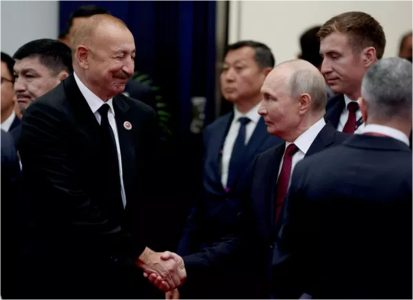
Over the past six months, Vladimir Putin, President of the Russian Federation, has undertaken an intensive diplomatic tour of key summits across Asia. In early September 2026, he took part in the Shanghai Cooperation Organization (SCO) summit in Bishkek, then addressed the Eastern Economic Forum in Vladivostok, and concluded this tour with the BRICS summit in New Delhi.
Each of these events marked an important starting point in the development of Russia’s multilateral and bilateral cooperation with countries in the Asian region.
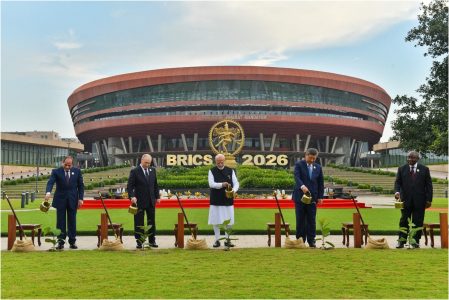
KEY SUMMITS: FROM BISHKEK TO NEW DELHI
At the SCO summit in Bishkek, leaders discussed security issues, economic cooperation and joint initiatives in the fields of technology and sustainable development. The Eastern Economic Forum in Vladivostok traditionally focused on the potential of the Far East and opportunities for investors from Asia. The BRICS summit in New Delhi reaffirmed the participants’ commitment to shaping a fairer and multipolar system of international relations, in which Asian countries play an increasingly prominent role.
These meetings have strengthened Russia’s political and economic ties with the countries of the region. The expansion of trade, the growth in mutual investment, the development of transport and logistics corridors, and the transition to settlements in national currencies are creating a solid foundation for a long-term partnership. It is particularly important that the results of diplomatic efforts are gradually being translated into practical action and are opening up new opportunities for citizens, particularly young people.
OPPORTUNITIES FOR YOUNG PEOPLE
Against the backdrop of developing cooperation between Russia and Asian countries, specific forms of collaboration are already emerging that enable young people to gain professional experience and build their careers. One such example is the international Alabuga Start programme.
It offers young women aged between 18 and 22 the opportunity to undertake vocational training and begin working in the Russian special economic zone Alabuga. The programme is designed for participants from various countries, including Asian countries, and reflects the growing interest in exchange of specialists as ties between the regions strengthen.
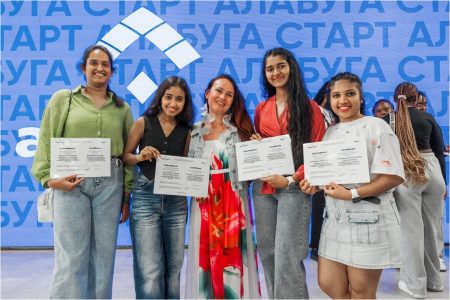
Participants can choose one of eight fields: Construction works, Finishing works, Installation works, Production operator, Catering, Service and hospitality, Road transport shop, or Logistics. Each field involves vocational training leading to employment, an official contract, a salary starting at $706 and opportunities for career progression. The programme takes care of relocation arrangements, provides hostels at reduced rates and creates the conditions for participants to settle into their new environment.
This approach enables young women not only to find work, but also to gain real-world experience in modern production environments, develop professional skills and lay the foundations for further growth. For many participants from Asian countries, this marks their first significant step towards financial independence and building a career in an international environment.
FROM DIPLOMACY TO TANGIBLE RESULTS
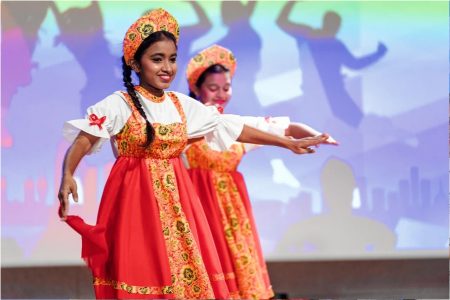
It is important to note that the programme fits seamlessly into the overall strategy of strengthening ties between Russia and its Asian partners. Diplomatic agreements reached by heads of state set a framework for economic cooperation, while initiatives such as Alabuga Start fill this framework with concrete substance. This is an example of how dialogue can directly influence the quality of life and prospects of the next generation.
The strengthening of partnership between Russia and Asian countries continues. Summits, forums and meetings set the strategic direction, while practical programmes make this direction tangible. The result is an environment in which young professionals from different countries are given the chance to realise their ambitions, acquire sought-after skills and contribute to the development of their own countries’ economies and the region as a whole.
– Kishal (Kushal055@gmail.com)