

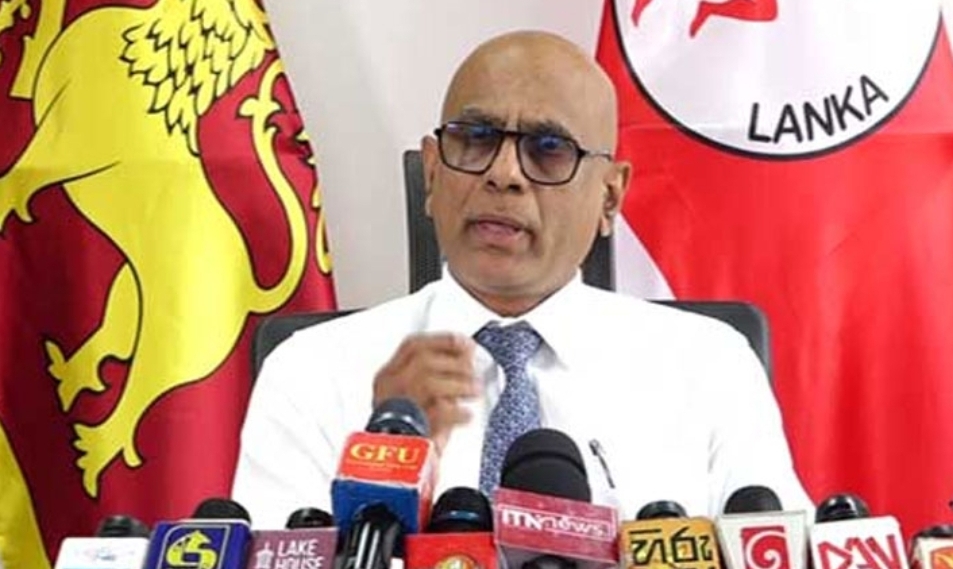
Ceylon Petroleum Corporation (CPC) Chairman D.J. Rajakaruna says Sri Lanka has sufficient fuel stocks until the end of next month, assuring that the country is not facing a shortage despite increased public concern following the Middle East conflict.
Addressing the media, Rajakaruna said fuel shipments that were already ordered are continuing to arrive as scheduled, ensuring adequate supplies in the country.
However, he noted that fuel consumption rose sharply after the conflict began, as people rushed to filling stations out of fear, leading to unusually high demand.
He said authorities observed that daily fuel consumption had increased by around 21 percent compared to normal levels due to panic buying and the activities of fuel hoarders and illegal traders.
Rajakaruna said the government decided to reintroduce the QR code-based fuel quota system to manage consumption and prevent unnecessary usage.
He acknowledged that some technical issues occurred earlier in the day with the system and related websites, causing temporary inconvenience at certain filling stations, but said the problems have now been resolved.
According to the CPC Chairman, all fuel stations across the country are now able to issue fuel using the QR code system, and the public no longer needs to wait in queues.
He said motorists can obtain their allocated fuel quota at any time during the week without rushing to filling stations.
Rajakaruna also warned filling station owners that strict reconciliation checks will be conducted from tomorrow to compare fuel stocks issued with QR-based transactions. He said strict action, including possible cancellation of licences, could be taken if discrepancies are found.
He further noted that special fuel supply arrangements will continue for public transport through the Sri Lanka Transport Board (SLTB), while separate mechanisms are being prepared to allocate fuel for sectors such as fisheries, agriculture, and other essential industries based on their operational needs. (Newswire)