

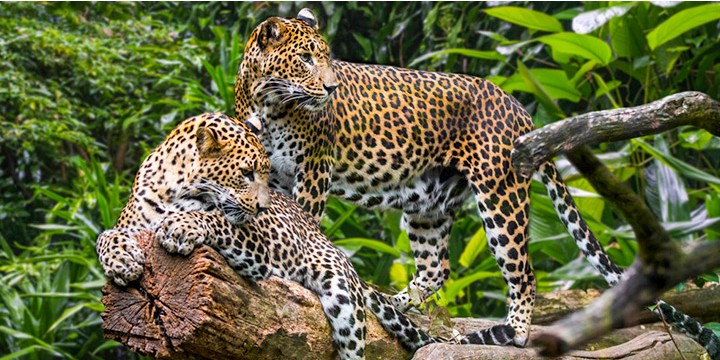
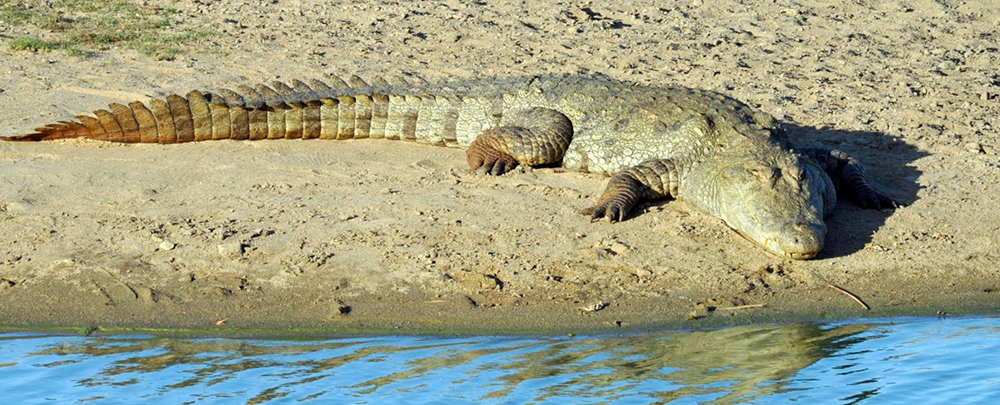
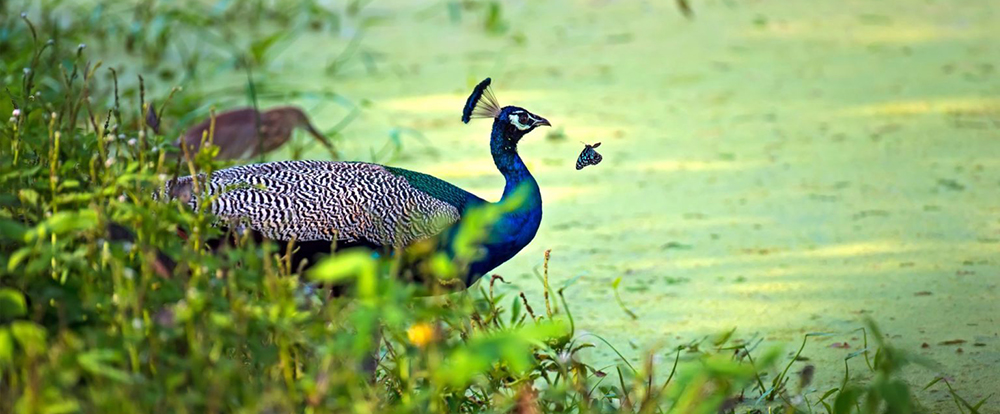
At first light, Yala National Park does not reveal itself all at once. A peacock calls from the scrub, spotted deer move through the pale grass and a crocodile lies almost invisible beside a lagoon. Then, somewhere between a bend in the track and a granite outcrop, the forest may produce the sight every safari goer quietly hopes for: a Sri Lankan leopard.
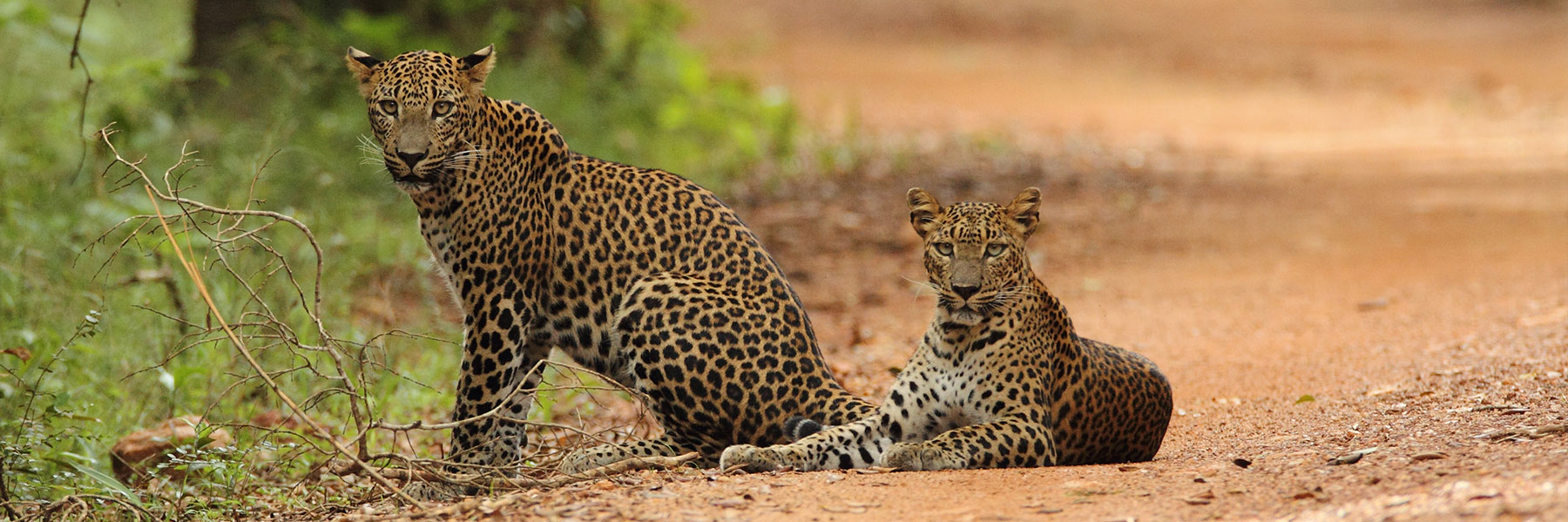
Set along Sri Lanka’s south eastern coast, Yala is the country’s second largest national park and one of its best known wildlife destinations. Its reputation rests heavily on the leopard, with Sri Lanka Tourism highlighting Yala for its exceptionally high leopard density. Yet reducing a Yala safari to a search for one predator misses much of what makes this wilderness extraordinary.
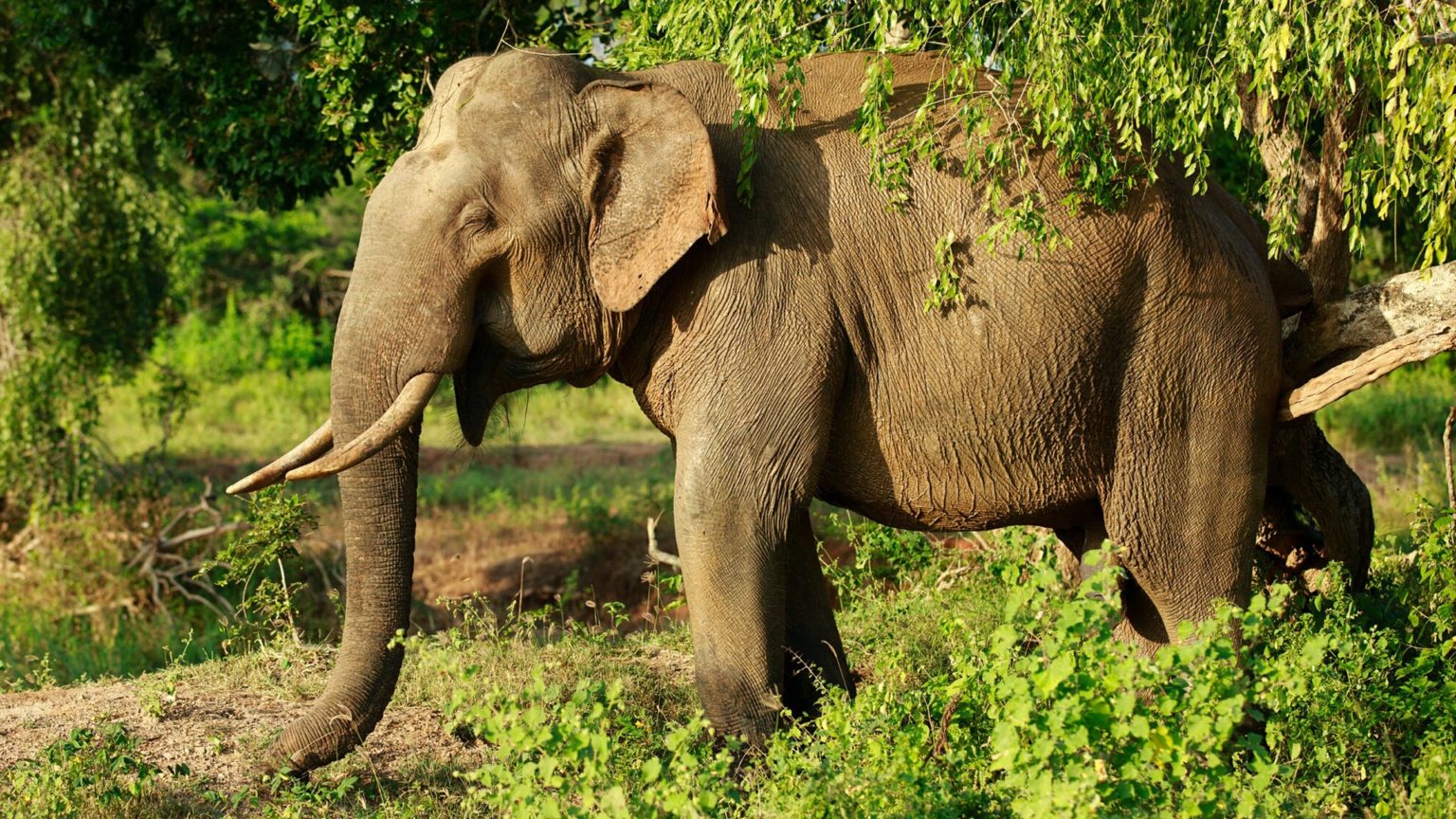
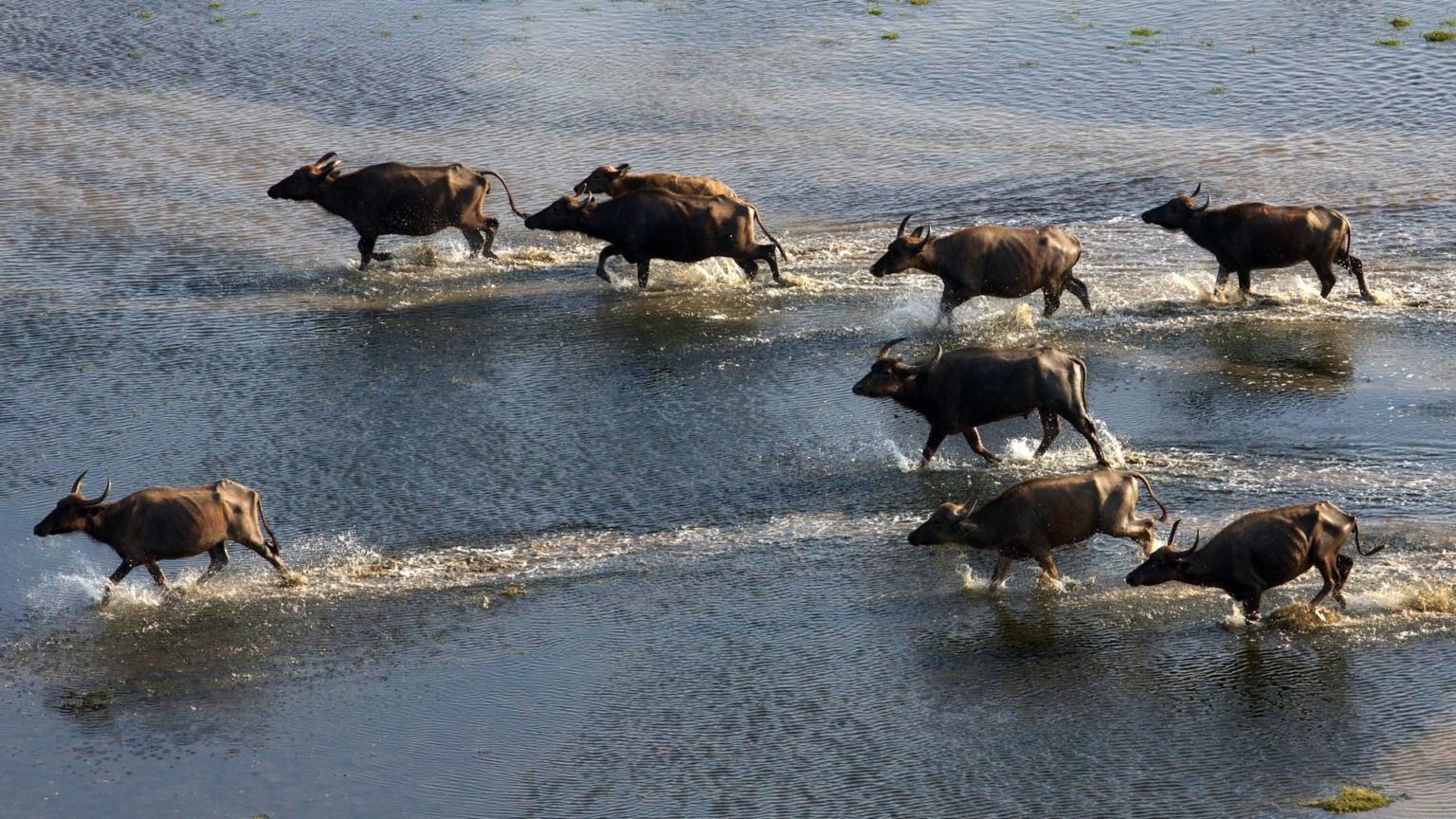
This is a landscape of contrasts. Dry monsoon forest gives way to open grassland, wetlands, rocky outcrops, lagoons and stretches of wild coastline. That variety supports an impressive cast of wildlife. Yala is home to Sri Lankan elephants, sloth bears, sambar and spotted deer, wild water buffalo, jackals and crocodiles. More than 200 bird species have also been recorded, including endemic birds and seasonal migrants, making the park rewarding for birdwatchers as well as big-game enthusiasts.
The attraction is not simply what you see, but how the wilderness unfolds. A Yala National Park safari can shift in minutes from watching an elephant browse quietly beside the track to following signs of leopard activity, observing macaques among the trees or stopping beside a waterhole alive with birdlife.
There are no guarantees in a genuine wildlife experience — and that uncertainty is precisely part of Yala’s appeal.
For serious photographers and travellers seeking a more refined Sri Lanka wildlife safari, the quality of the experience often comes down to patience. A knowledgeable naturalist, an unhurried approach and time spent understanding animal behaviour can turn a game drive from a checklist into a deeper encounter with the ecosystem. Dawn brings cooler air and soft photographic light; as the day changes, so do the sounds, shadows and rhythms of the bush.
Yala also carries a sense of history. The area was declared a wildlife sanctuary in 1900 and became a national park in 1938, while the wider landscape contains evidence of ancient Buddhist civilisation. Today, Yala remains among Sri Lanka’s most visited national parks.
For international travellers, Yala offers something distinctive: a major Asian safari experience that can sit within a wider Sri Lankan journey of beaches, tea country, heritage sites and the Indian Ocean. For Sri Lankan safari lovers, it is a reminder that remarkable wilderness exists remarkably close to home.
Come for the possibility of the leopard. Stay for the elephants, birds, silence, dust, golden light and the feeling that, beyond the next bend, the wild is still in charge.
