

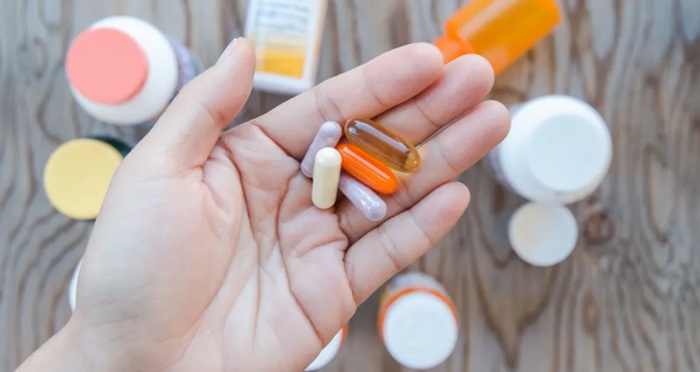
A recent survey by British consumer group Which? found that 76% of respondents regularly take at least one supplement, ranging from vitamins and minerals to omega‑3, probiotics and herbal products, with experts warning that the growing reliance on pills and powders may be putting health at risk.
Nearly a fifth admitted to taking four or more daily, underscoring the scale of the supplement boom.
According to a report by the BBC, doctors and nutritionists are seeing rising cases of liver, kidney and gastrointestinal problems linked to excessive supplement use.
Gastroenterologists in Spain say up to 20% of liver damage cases are now tied to herbal and dietary supplements, with high doses of vitamin A, glutamine, ashwagandha and green tea extract singled out as particularly risky.
The British Liver Trust has also flagged growing concerns in the UK, urging consumers to weigh potential benefits against possible harms.
Nutritionists caution that duplicating ingredients, such as combining a multivitamin with extra vitamin B6, can lead to nerve damage, while mixing iron, calcium and magnesium can reduce absorption. Fat‑soluble vitamins (A, D, E, K) pose additional risks as the body stores them for longer periods.
The BBC highlighted the case of Ginger Smith, a 30‑year‑old influencer from Seattle, who developed a massive kidney stone after years of high‑dose supplement use. “I never would have thought that by trying to improve my health, I would end up in such a bad way,” she said.
Medical experts stress that supplements should complement, not replace, food. “Some are beginning to think that taking a pill is better than eating food. It is not,” one nutritionist said.
For healthy adults, a balanced diet remains the safest route, with vitamin D in winter and short‑term iron supplementation for women among the few widely recommended additions.
As NHS surgeon Dr Karan Rajan put it: “Supplements can be positively lifechanging, but every supplement deserves scepticism until proved otherwise.” (Newswire/ BBC)